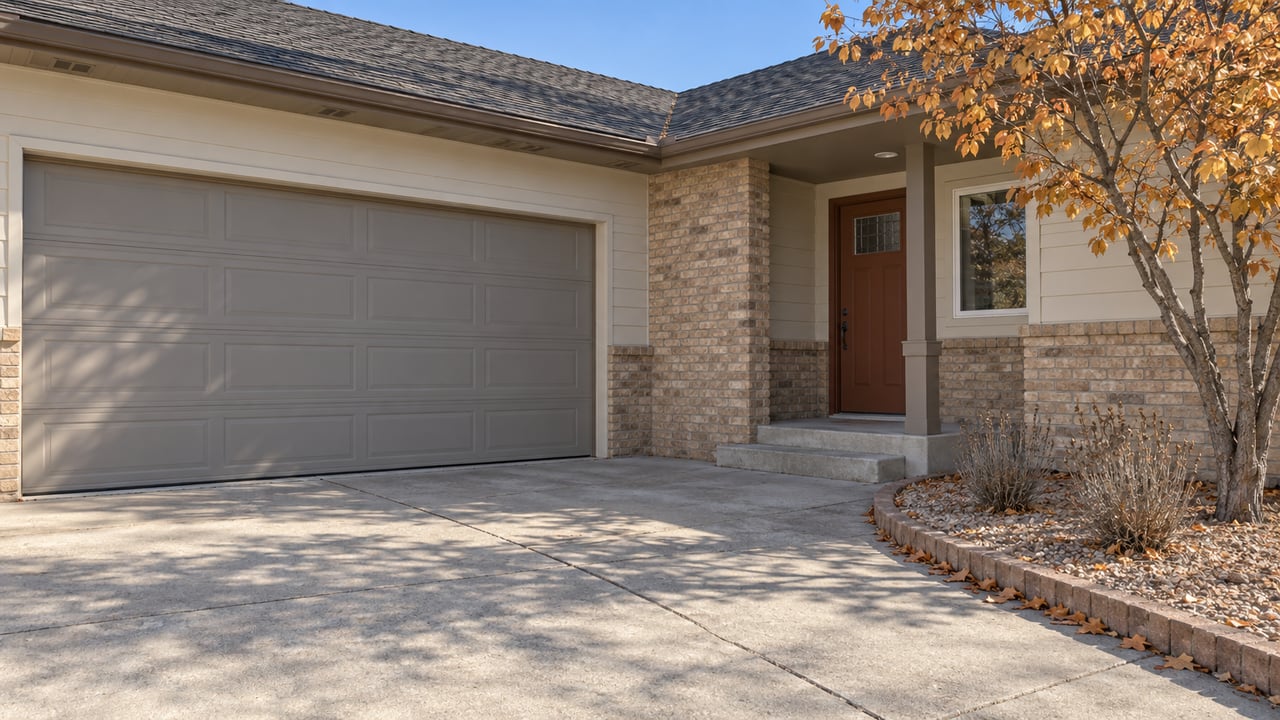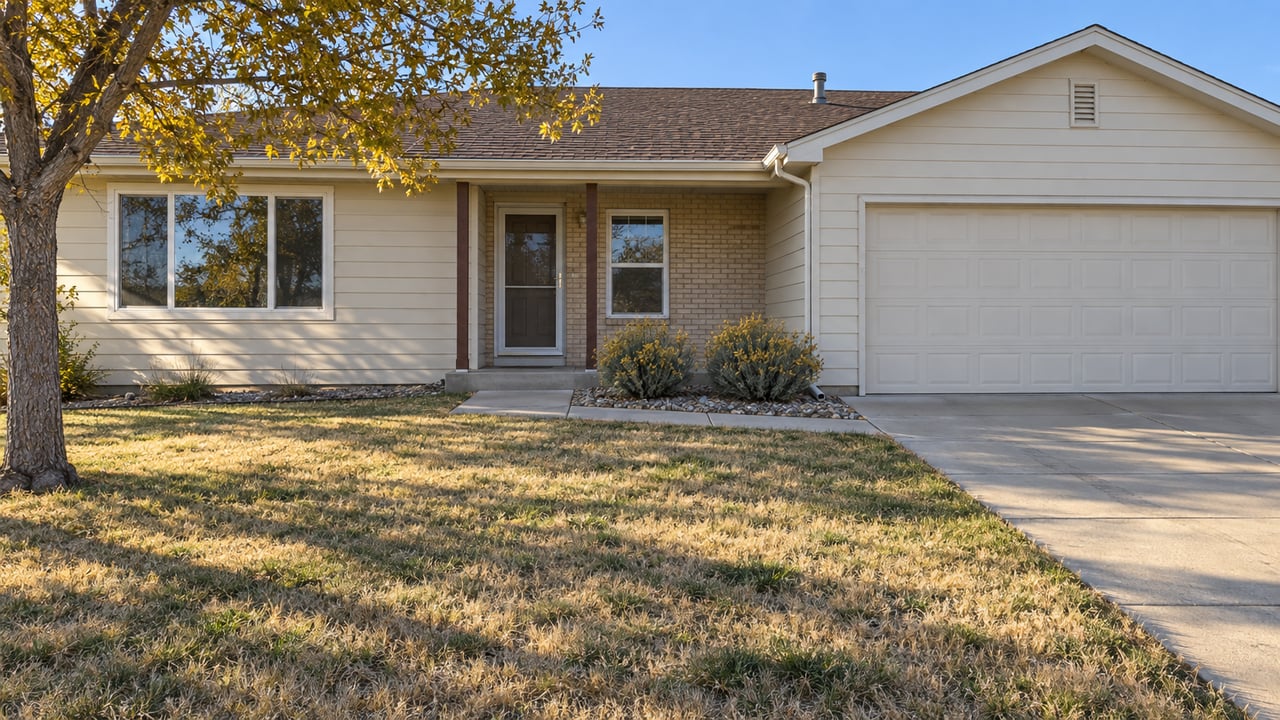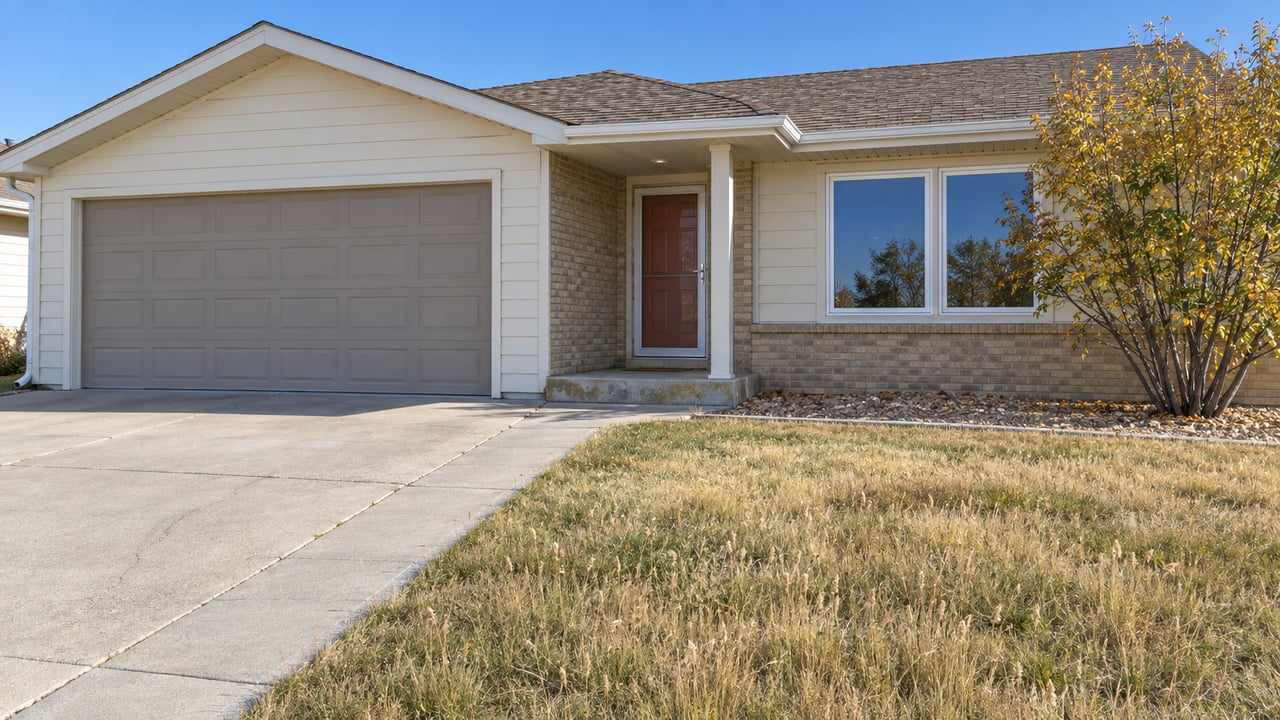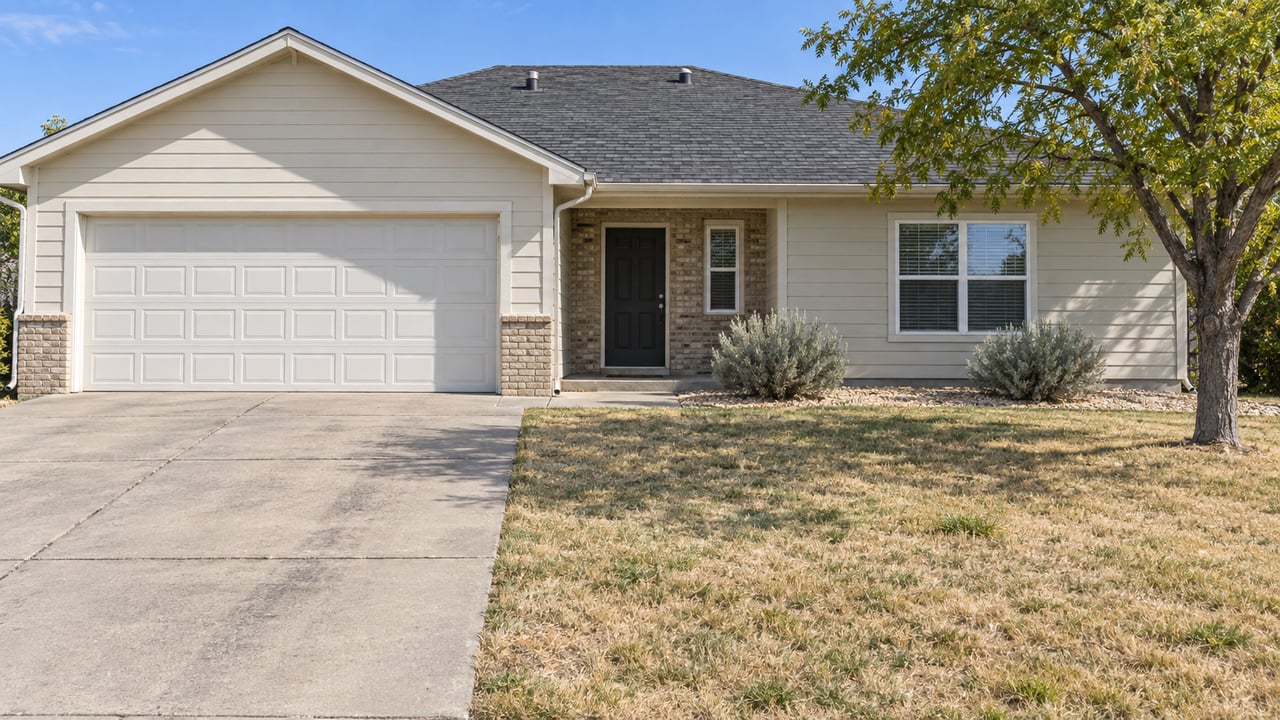
Wondering whether Fruita or Grand Junction is the better place to buy a home? It is a smart question, especially if you want the right mix of price, lifestyle, commute, and housing options in the Grand Valley. The good news is that both cities offer strong advantages, but they serve buyers a little differently. If you are weighing the two, this guide will help you compare the facts and narrow in on the best fit for your goals. Let’s dive in.
Fruita vs. Grand Junction at a glance
If you want the shortest version, here it is: Fruita tends to cost more, offers more newer detached homes, and leans heavily into an outdoor lifestyle. Grand Junction usually offers more listings, lower typical home values, and a wider range of housing types and daily-living options.
That does not make one city better than the other. It means your best choice depends on what matters most to you, whether that is budget, home style, neighborhood feel, commute time, or access to recreation and downtown amenities.
Home prices and market pace
For many buyers, the first comparison is simple: what will your money buy in each city?
In Fruita, Zillow reports a typical home value of $480,864, up 3.4% year over year. The recent median sale price is $459,333, with 109 homes for sale and homes going pending in about 25 days.
In Grand Junction, Zillow reports a typical home value of $422,320, up 2.0% year over year. The recent median sale price is $397,500, with about 600 homes for sale and homes going pending in about 34 days.
The practical takeaway is clear. Fruita is currently the more expensive market, while Grand Junction gives you a deeper pool of listings and a little more time before homes go pending.
What that means for buyers
If you are shopping in Fruita, you may need to be ready for a tighter search with fewer choices. A smaller listing pool can make the right home feel harder to find, especially if you have a specific wish list.
If you are shopping in Grand Junction, you may have more flexibility. More homes on the market can create more opportunities to compare neighborhoods, home styles, and price points before making a decision.
Housing stock feels different
Price is only part of the story. The type of homes available in each city can shape your day-to-day experience just as much as your budget.
Fruita has a newer, single-family focus
Fruita’s housing needs assessment shows that about 85% of housing units are one-unit structures. It also reports that 75.3% of units permitted from 2020 through July 2025 were single-family dwellings.
The city’s housing stock also trends newer. According to the same assessment, 78.9% of Fruita’s housing stock was built after 1980, and 35.0% was built in 2000 through 2009.
If you picture neighborhoods with a strong concentration of detached homes, newer construction eras, and a more compact city footprint, Fruita may line up with that vision. Buyers who want a more traditional single-family feel often notice that right away.
Grand Junction offers more variety
Grand Junction has a broader housing mix. The Grand Valley housing assessment says 62% of the city’s housing stock is detached single-family, with the rest spread across townhomes, duplex and fourplex-style housing, apartments, condos, and mobile homes.
The same report shows a wider spread in home ages. About 28% of Grand Junction’s housing stock was built after 2000, while 18% was built in the 1970s.
That variety can matter if you want more options beyond detached homes. Whether you are looking for a lower-maintenance setup, an entry-level purchase, or simply more neighborhood styles to choose from, Grand Junction tends to offer a broader menu.
City size changes the experience
Fruita and Grand Junction are close to each other, but they do not feel the same in scale.
The U.S. Census estimates Fruita’s 2024 population at 13,912 across 7.89 square miles of land area. Grand Junction’s 2024 population estimate is 70,554 across 39.63 square miles.
That difference in size shapes everything from how many neighborhoods you can explore to how many shopping, dining, and service areas you may use regularly. In simple terms, Fruita feels smaller and more compact, while Grand Junction offers more layers and more submarkets within the city.
Lifestyle and recreation access
Both cities sit in a region known for outdoor access, but the daily feel is a little different.
Fruita leans trail-first
Fruita’s Parks and Trails department says the city has almost 10 miles of hard and soft-surface trails. The city also highlights access to the Colorado River, Colorado National Monument, McInnis Canyons, and a community center with a senior center, library branch, gym, pools, and other amenities.
For mountain biking, the Bureau of Land Management says the 18 Road and Kokopelli Loop Trails near Fruita provide more than 250 miles of designated recreation routes in the North Fruita Desert area, along with access to McInnis Canyons National Conservation Area.
If your ideal week includes trail access, biking, river time, and quick entry to major recreation areas, Fruita has a strong case. That outdoor identity is a big part of why many buyers look there first.
Grand Junction offers parks and downtown energy
Grand Junction also brings strong recreation access, just in a different format. The city says Las Colonias Park is a 130-acre riverfront park adjacent to downtown, and that it maintains 35 developed parks, five undeveloped parks, and more than 500 acres of open space.
Downtown Grand Junction is described by the city as home to dozens of locally owned shops, restaurants, music venues, galleries, and public art. For buyers who want more city-scale amenities in daily life, that can be a meaningful advantage.
Both share a major regional asset
Colorado National Monument sits between the two communities. The National Park Service says the west entrance is about 3 miles south of Fruita, while the east entrance is reached through Grand Junction.
That means you do not have to choose one city over the other just to stay connected to one of the area’s signature outdoor destinations. Both offer access, though from different sides.
Schools and boundary planning
If school planning is part of your move, it helps to know that both Fruita and Grand Junction are in Mesa County Valley School District 51.
District 51 says it serves nearly 20,000 students across 46 schools and programs. The district also notes that attendance is address-based and directs families to use the Mesa County School Locator.
That matters because recent boundary adjustments affected Fruita Monument High, Grand Junction High, Fruita Middle, West Middle, Fruita 8-9, and some Fruita-area elementary feeders. District 51 also offers School of Choice, so your options may depend on both your property address and whether you plan to apply outside the assigned boundary.
Buyer tip for school-related decisions
If schools are a major factor in your home search, confirm the current boundary for any address you are considering before you buy. Since boundaries and enrollment options can change, it is worth checking early in the process rather than assuming a home falls into a certain attendance area.
Commute times are a little shorter in Grand Junction
Commute can play a bigger role than buyers expect, especially if you are deciding between a smaller city and a larger one.
According to Census QuickFacts, the mean travel time to work is 20.0 minutes in Fruita and 15.9 minutes in Grand Junction. That is a citywide average, not a neighborhood-by-neighborhood rule, but it does suggest that Grand Junction residents have a slightly shorter average commute.
If your work, errands, or regular activities are centered in Grand Junction, that may factor into your decision. If outdoor access and a specific home style matter more, a slightly longer average commute may feel like a worthwhile trade.
Which city fits your buying goals?
The best place to buy depends on what kind of life you want your home to support.
Fruita may fit you if you want:
- A newer-feeling housing stock
- A market centered on detached single-family homes
- A smaller, more compact city footprint
- Strong access to trails, biking, and outdoor recreation
- A lifestyle where recreation is central to daily routines
Grand Junction may fit you if you want:
- More homes to choose from
- Slightly lower typical home values
- A wider range of housing types
- More district-scale amenities and neighborhood variety
- A larger downtown core and slightly shorter average commute
How to make the final call
If you are torn between Fruita and Grand Junction, try narrowing your decision with three practical questions:
1. What is your real budget comfort zone?
Fruita’s typical home values are higher, so your budget may stretch differently there. Grand Junction may give you more options if price flexibility matters.
2. What kind of home do you actually want?
If you are focused on detached homes in newer neighborhoods, Fruita may feel more aligned. If you want a broader mix of neighborhoods and housing types, Grand Junction may be easier to match.
3. What do you want nearby every day?
Think beyond the house itself. Do you want quick access to trails and outdoor recreation, or do you want more parks, shopping, dining, and downtown activity built into your weekly routine?
A move is rarely just about square footage. It is about choosing the setting that best supports how you want to live.
When you are ready to compare neighborhoods, home styles, and tradeoffs in person, Arianne Nelson Miller - Main Site can help you make a confident, informed choice across Fruita, Grand Junction, and the wider Grand Valley.
FAQs
Is Fruita or Grand Junction more affordable for home buyers?
- Based on Zillow’s reported typical home values and median sale prices, Grand Junction is currently more affordable than Fruita on a citywide basis.
Does Fruita or Grand Junction have more homes for sale?
- Grand Junction currently has a much larger listing pool, with about 600 homes for sale compared with 109 in Fruita, according to Zillow city page data.
Are Fruita and Grand Junction in the same school district?
- Yes. Both cities are in Mesa County Valley School District 51, though school attendance is address-based and some boundaries have recently changed.
Which city has more outdoor recreation access, Fruita or Grand Junction?
- Both have strong access to outdoor recreation, but Fruita is especially associated with trails, biking routes, the Colorado River, and quick access to major public lands.
Is the commute shorter in Fruita or Grand Junction?
- Census QuickFacts reports a shorter average commute in Grand Junction, with a mean travel time to work of 15.9 minutes compared with 20.0 minutes in Fruita.
Should I buy in Fruita or Grand Junction if I want more housing choices?
- Grand Junction usually offers more housing variety because its housing stock includes a broader mix of detached homes, townhomes, duplex-style properties, apartments, condos, and mobile homes.