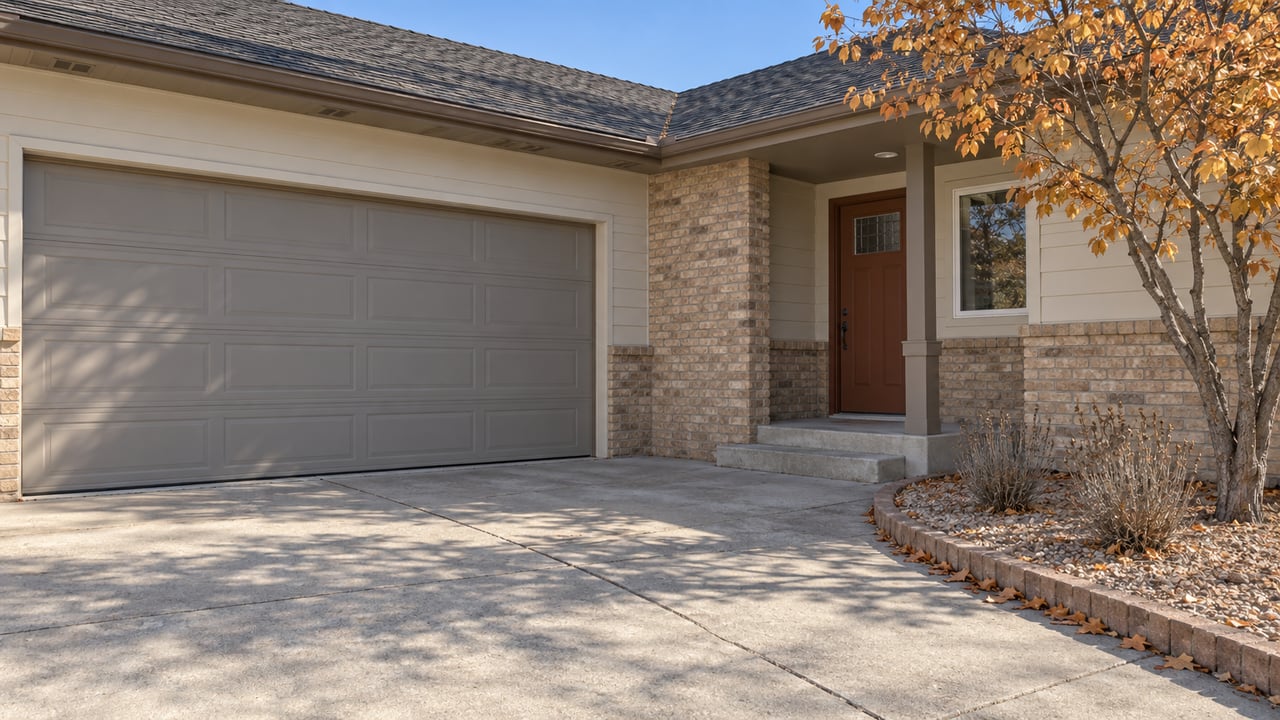
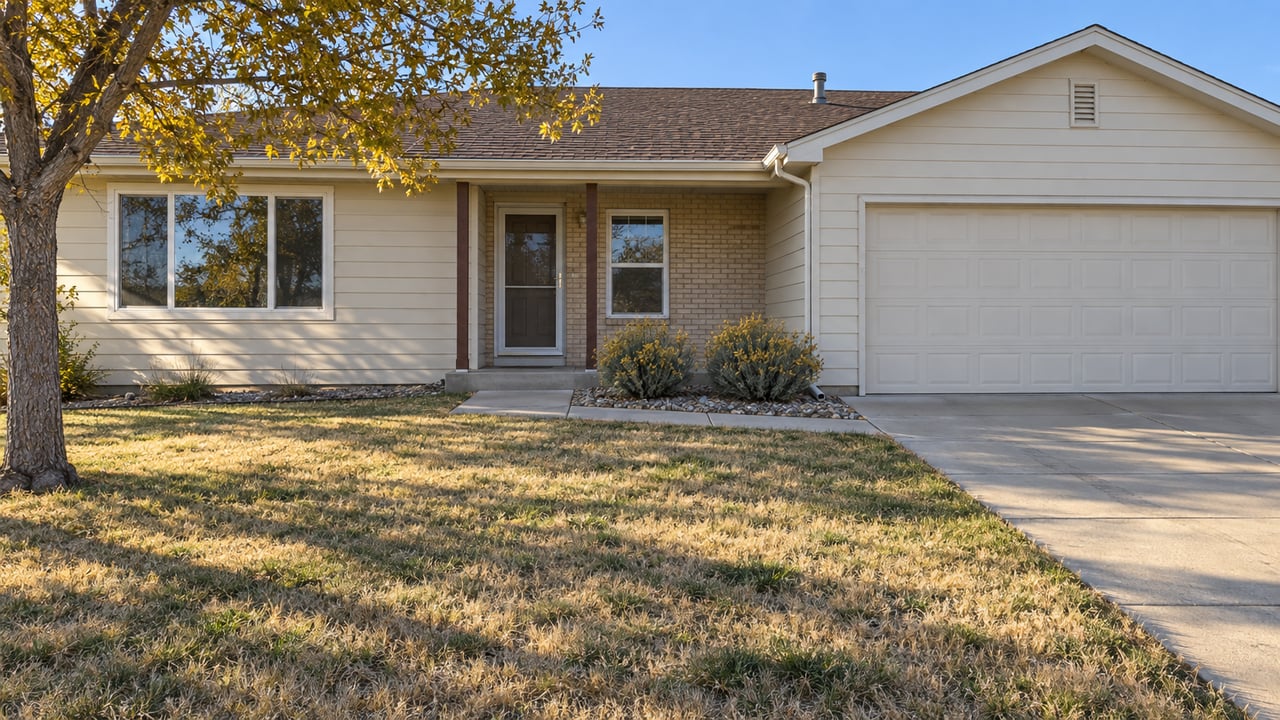
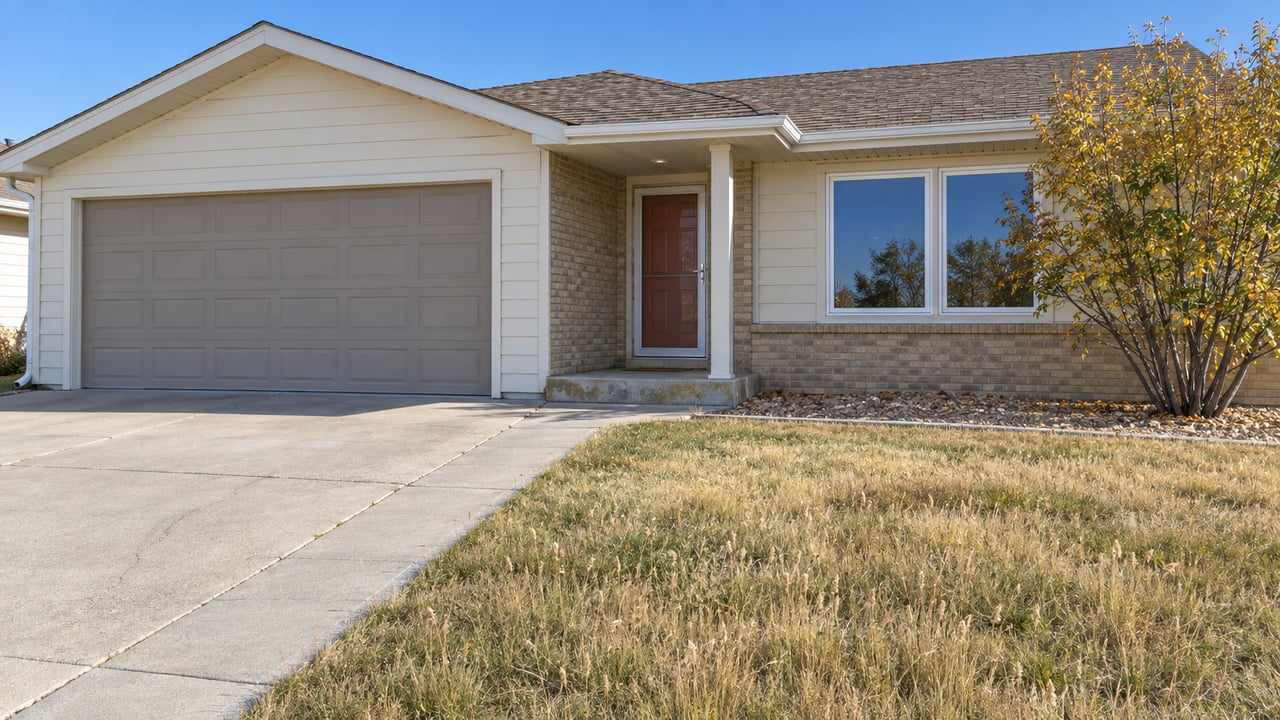
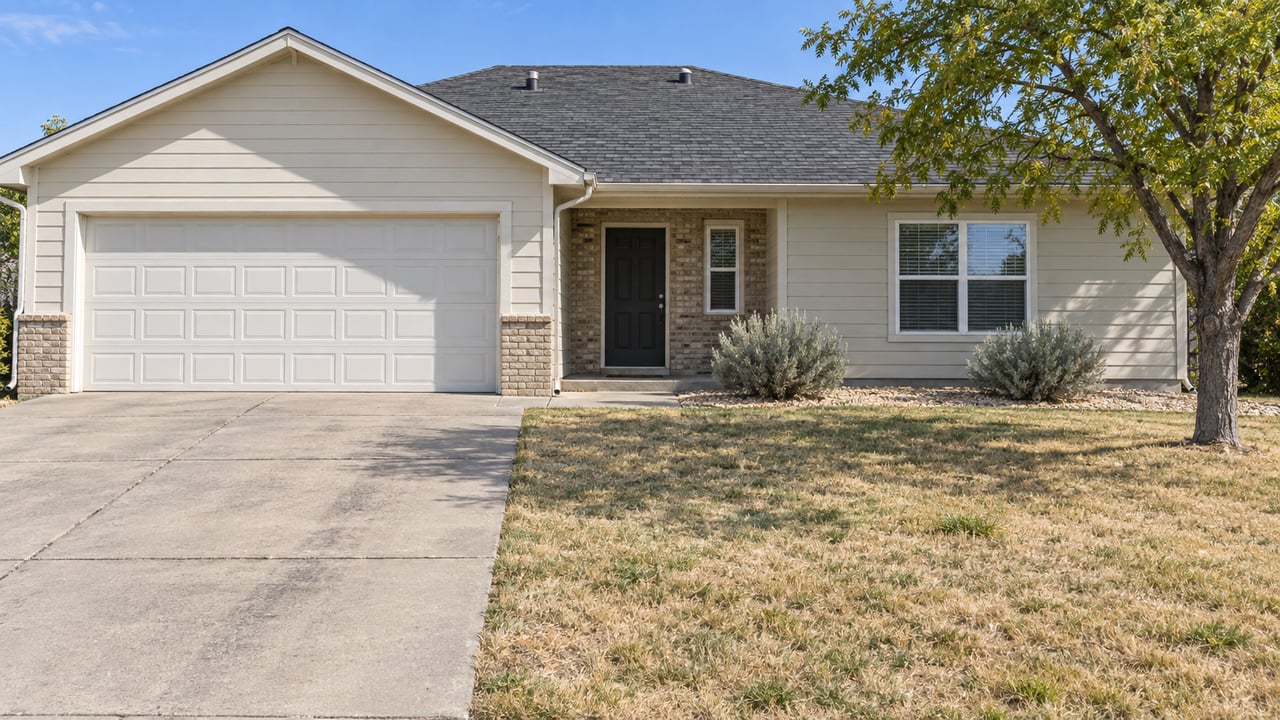
This summer, the first completed home in Window Rock View, a new lakeside subdivision on the south side of Fruita, closed for $1.1 million. The lot alone is nearly half an acre. The view runs straight at the Colorado National Monument.
Ten minutes north on 19 Road, a different subdivision called Ridge Crossing spent the better part of a year moving from submission to a final county decision that turned, in part, on a bridge nobody has repaired in over a decade. The appeal against it was finally denied this spring. As of that decision, there was still no official date for anyone to break ground.
Same town. Same year. Two projects that both get labeled "new construction" on a listing sheet, and almost nothing else in common.
If you're comparing Fruita to other Grand Valley towns using the median price you saw on a portal, this is the part that number leaves out. The gap between a $500,000 Fruita home and a $1 million one isn't mostly about square footage. It's about which side of the city's growth boundary the dirt sits on, and whether the roads, water, and bridges needed to reach it were settled before anyone poured a foundation.
What $900,000 to $1.1 Million Actually Buys
Window Rock View is being built exclusively by Alta Home Builders and TreyTyn Homes on lots running roughly 0.28 to 0.40 acres, several times the footprint of a standard in-town Fruita lot. Every home in the first phase is single-level, and many are designed around junior en-suite bedrooms or accessory dwelling units built specifically for aging parents or extended family staying long-term. Pricing starts in the low $900,000s and runs past $1 million, and the community's centerpiece is a private lake being created as reclamation work wraps up on a former mining site on the property.
The first phase includes 15 lots and is expected to build out by summer 2027. One of the early spec homes from Alta, at roughly 2,300 square feet, gives a sense of scale: it's a comfortable single-family floor plan, but not a mansion.
Compare that to what a typical Fruita home looked like this August. The median list price across the town was $549,000, with homes going under contract in a median of 55 days, a faster pace than a year earlier. Zillow's estimate of the average Fruita home value, updated at the end of June, put it at $489,487, up modestly over the past year. The average home in Fruita runs close to 1,953 square feet.
Lay those numbers side by side and the story isn't really about size. A Window Rock View spec home at 2,300 square feet is maybe 350 square feet bigger than the town average, not twice as big. The price, though, is nearly double. What you're actually paying for is the lot, the lake, the single-level multigenerational layout, and a location the city has already committed to serving with sidewalks and utilities.
| Typical Fruita resale (Aug 2026) | Window Rock View new construction | |
|---|---|---|
| Price | $549,000 median list | Low $900,000s to $1.1M+ |
| Home size | ~1,953 sq ft average | ~2,300 sq ft (early spec home) |
| Lot size | Standard in-town lot | 0.28–0.40 acres |
| Days on market | 55 days median | First phase still selling out |
Ten Minutes Away, a Different Kind of New Construction
Ridge Crossing tells a different story about what "new" means at Fruita's edge. The project would split a 230-acre parcel at the dead end of 19 Road into 24 residential lots, a separate 167-acre parcel for a potential ranch, and roughly 7 acres set aside for drainage and wildlife. Mesa County's planning staff approved the final plan in January. Samantha DeCosta, a sixth-generation farmer who lives across from the site, filed a formal appeal shortly after, citing public safety, infrastructure capacity, and consistency with the county's master plan.
At the center of her concern was a bridge near her property that she says has needed repair for more than ten years, and a 19 Road that dead-ends with no second way in or out. Mesa County's Public Works Director, Scott Mai, told commissioners the bridge is in fair condition and wouldn't even qualify for state grant funding if the county applied. DeCosta saw it differently, framing the road itself as the bottleneck.
As Western Slope Now reported, DeCosta told commissioners at the March hearing, "I'm not against the development. I'm not against this particular developer." She then laid out why she still believed the project moved forward without the infrastructure questions fully answered.
Mesa County's Board of Commissioners voted unanimously to deny the appeal on March 31, letting the subdivision proceed. Even so, there was no groundbreaking date attached to that decision. A neighborhood meeting held before the original approval had already surfaced other concerns worth knowing about if you're the kind of buyer who reads past the listing photos: neighbors raised questions about using irrigation water for residential purposes, light pollution, conflicts between new residential lots and existing farm and ranch operations, and the likelihood of higher property taxes for surrounding landowners.
A few minutes away, on 18 Road, a proposed RV park, tiny home space, and event venue called the Fruita Bike Barn ran into similar pushback from neighbors worried about density, even though the project's owner framed it as serving cyclists who already pass through the area. The pattern repeats across Fruita's growth edge: proposals that look straightforward on paper generate real, organized local resistance once neighbors start asking who pays for the road, the water, and the traffic.
The Three-Year Clock Almost Nobody Asks About
KJCT8 reported that Colorado state statute gives approved subdivisions a three-year vesting period, meaning construction has to start within three years of approval or the clock resets. County planning staff have also noted that site plan approvals typically take three to six months, while full subdivisions can take six to twelve months just to clear the review process, before any appeal adds time on top.
None of that shows up on an MLS listing. A lot inside a subdivision that received county approval eighteen months ago could be six months from a poured foundation or two and a half years from one, depending entirely on where it sits in that vesting window and whether anyone has challenged the approval along the way.
Three Questions Worth Asking Before You Sign
If you're weighing new construction at Fruita's edge against an established in-town home, the price tag alone won't tell you what you're actually buying into. A few questions will:
- Is this parcel already inside the city's urban growth boundary and annexed, or is it still working through county-level review and appeals?
- Has the approval been formally appealed, and if so, where does that stand against the three-year vesting clock?
- Who is responsible if the county requires a road, bridge, or utility upgrade before more homes can be added: the developer, a metro district, or future owners through added fees?
For a family drawn to a multigenerational floor plan, or an investor eyeing raw lots at the edge of town, the answers change the timeline and the risk more than the square footage ever will. For anyone selling an established in-town home, it's worth remembering that a project like Window Rock View isn't really competing for the same buyer. It's a different product at a different price point, built for a different set of priorities.
Quick Answers for Buyers Comparing Fruita Neighborhoods
Does a denied appeal mean construction starts right away? Not necessarily. Even after Mesa County's commissioners unanimously denied the Ridge Crossing appeal in March 2026, no official groundbreaking timeline had been set for the subdivision.
Are accessory dwelling units common in Fruita's new construction? At least one active project builds around them deliberately. Window Rock View's floor plans include junior en-suite bedrooms and ADUs designed for extended family or long-term guests, alongside single-level main homes oriented toward the Monument views.
Is a higher new-construction price always about a bigger house? Not in this case. A Window Rock View spec home near 2,300 square feet sells for several hundred thousand dollars more than a typical Fruita resale near 1,953 square feet. The gap tracks lot size, water features, and location relative to existing infrastructure more than it tracks the floor plan itself.
Fruita's new-home market isn't one story right now. It's two, running on different clocks, at different price points, for different buyers. Sorting out which one fits your timeline and your budget takes more than a portal search, and it's exactly the kind of local read that shows up in the details, not the median.
If you're weighing a move within the Grand Valley and want help reading a specific subdivision or listing the right way, Arianne Nelson Miller offers a free consultation to walk through it together.
This article is general information, not legal, tax or financial advice. Consult a qualified professional about your situation.