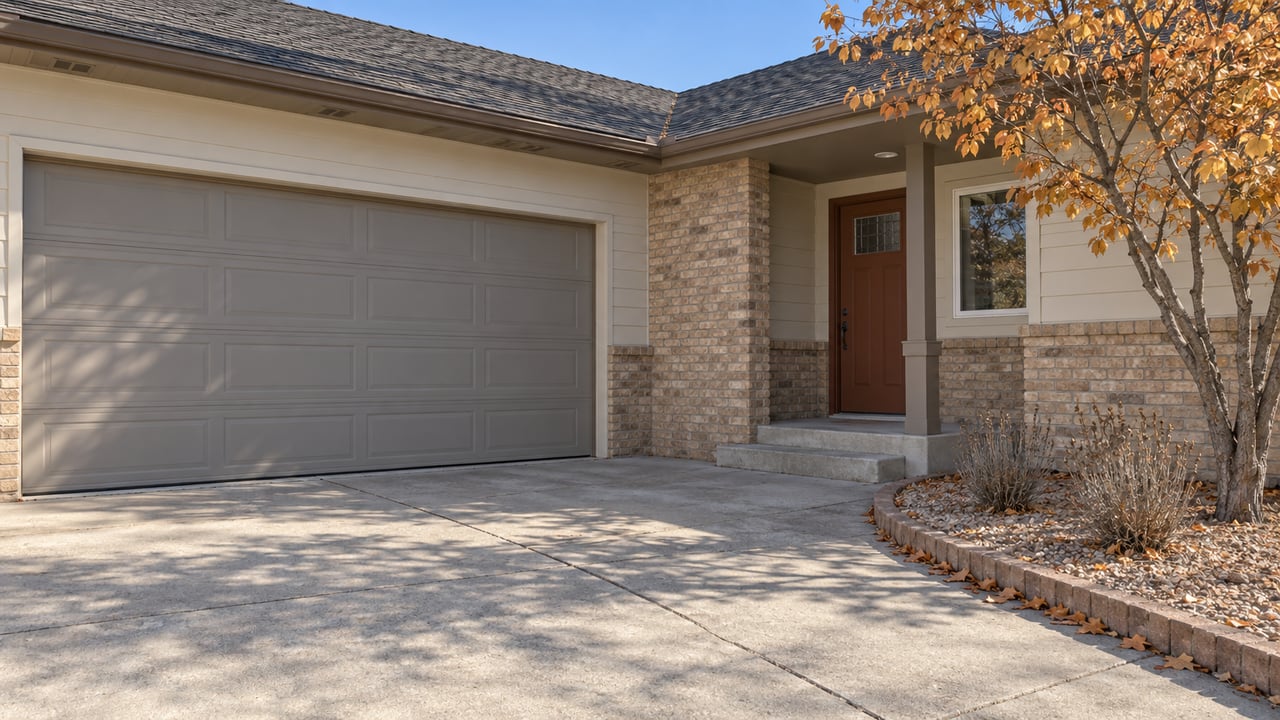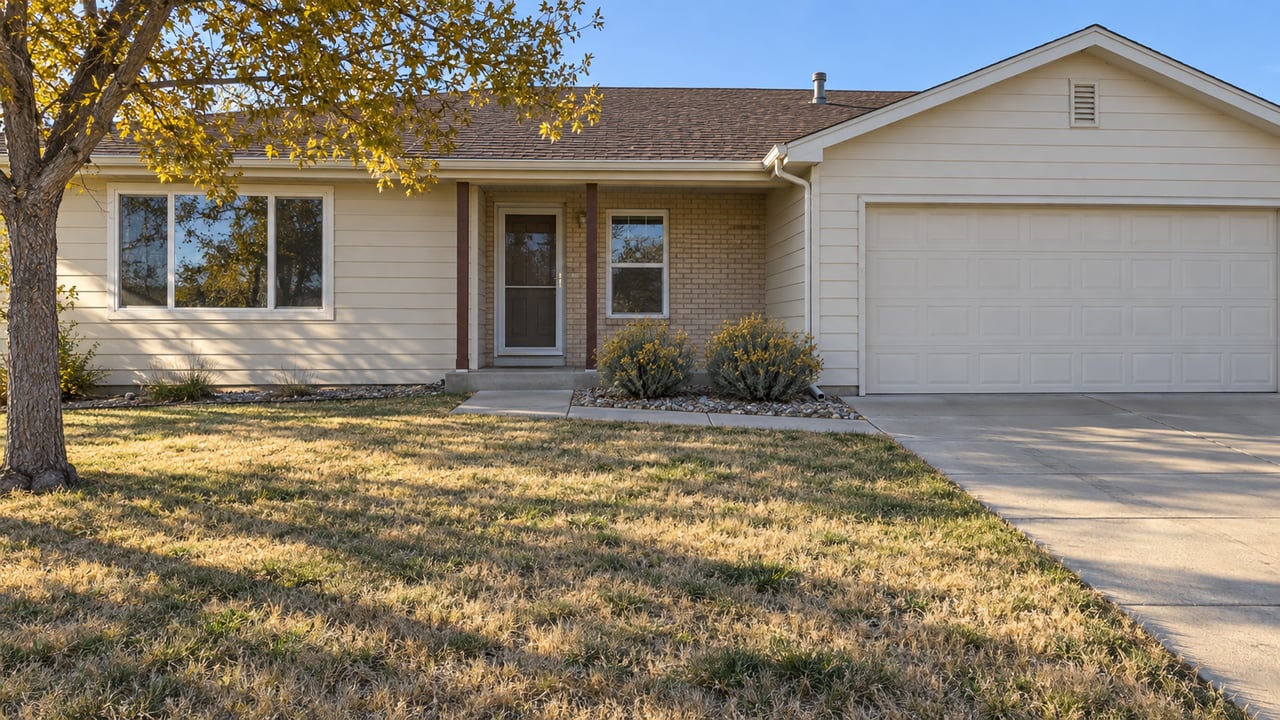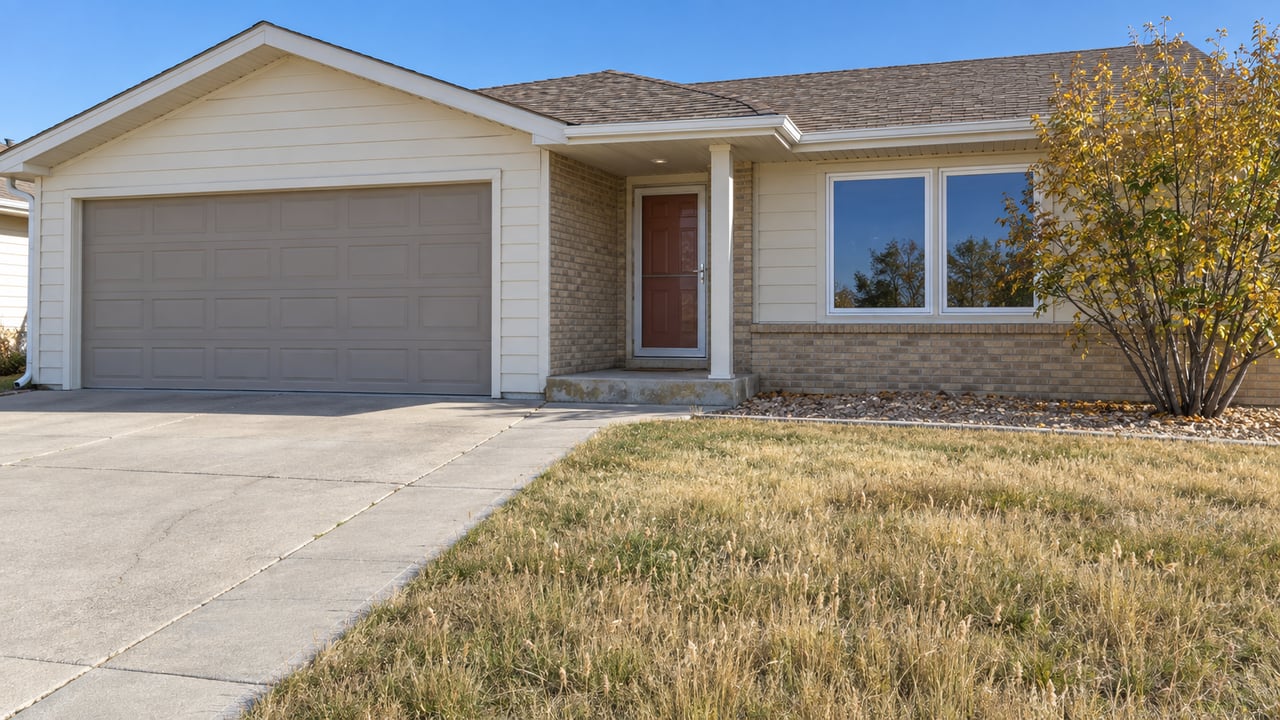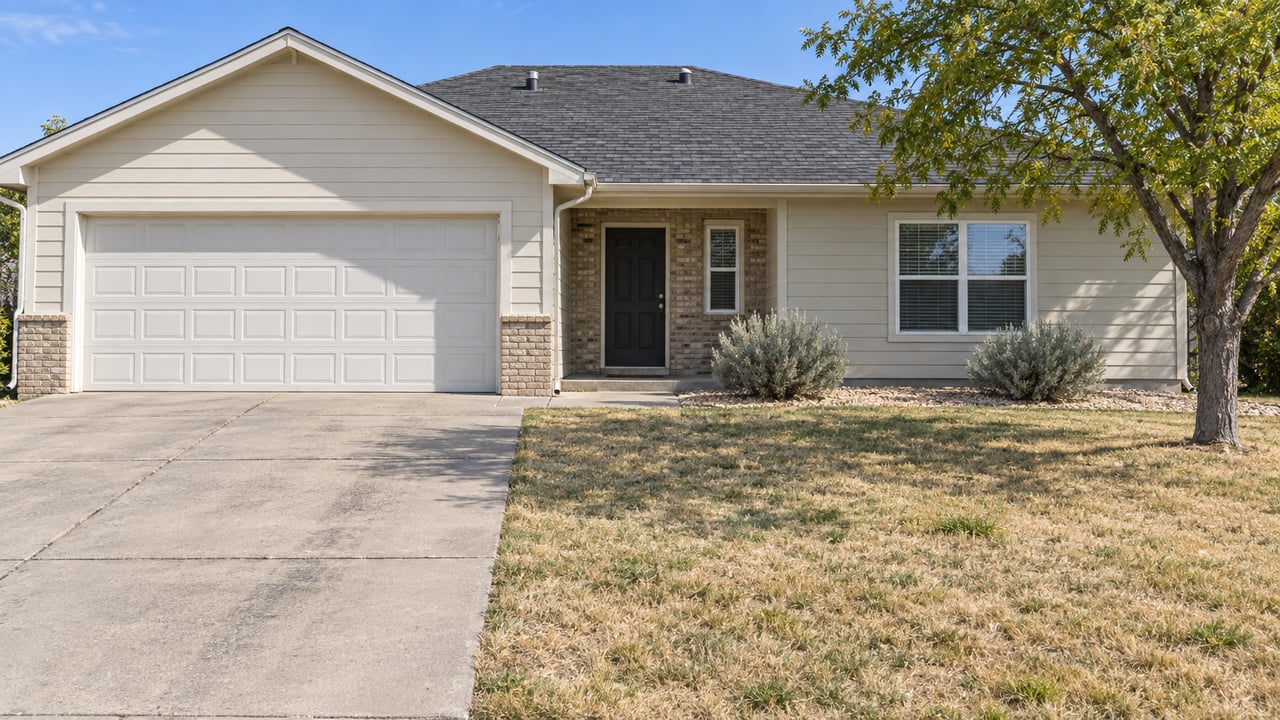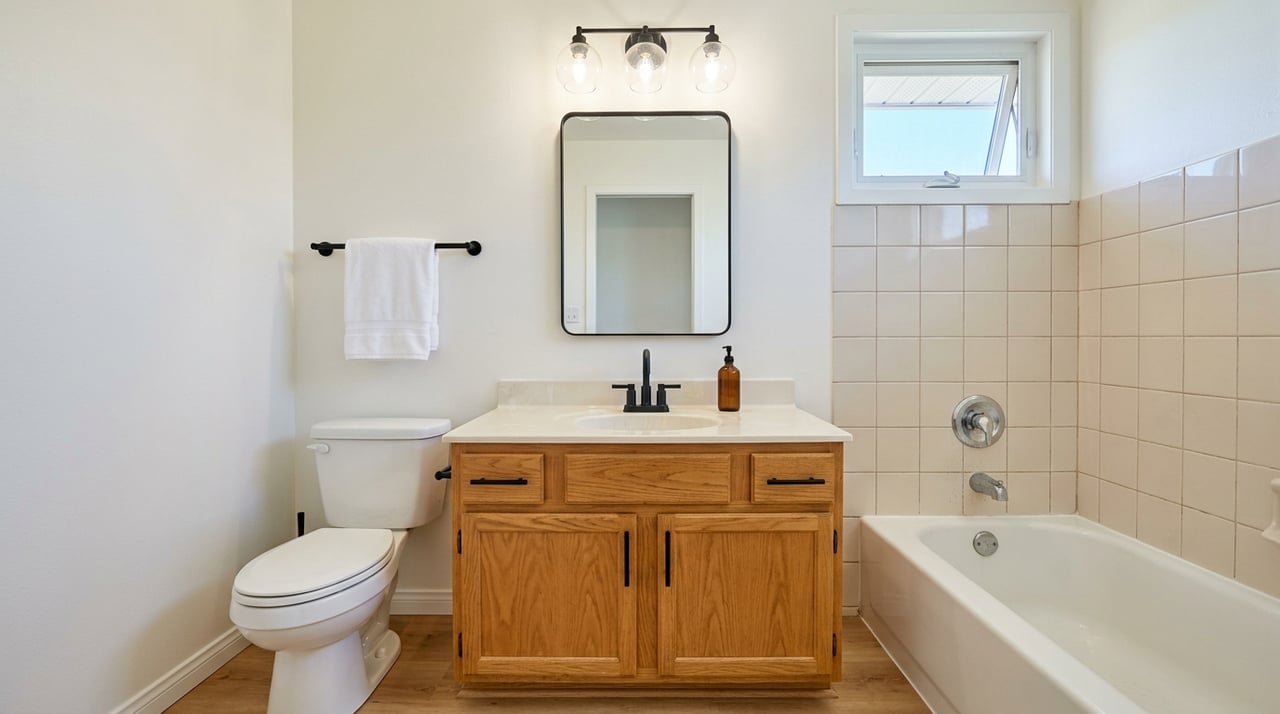
Wondering whether to renovate before you sell, or just put your Fruita home on the market as-is? It is a common question, especially when you want to make a smart financial move without pouring time and money into the wrong projects. The good news is that in Fruita, the answer is usually less about doing more and more about doing the right things. Let’s break down how to make that call with more confidence.
Fruita Sellers Need a Practical Plan
Fruita’s resale market is active, but buyers are still paying attention to condition and presentation. Redfin’s May 2026 snapshot shows a median sale price of $482,211, an average of 29 days on market, and a 99.2% sale-to-list ratio. The City of Fruita’s housing assessment also showed 4.8 months of supply in early 2025, which points to a market where buyers have options.
That matters if you are deciding whether to invest before listing. In a market that is somewhat competitive, a well-presented home can stand out faster, while a home with visible issues or dated finishes may need sharper pricing or more negotiation room.
Start With Your Selling Timeline
Your timeline should shape your decision first. If you plan to sell in the next 6 to 18 months, light updates and strong presentation are often the lowest-risk path.
That is because national remodeling data tends to favor visible, simpler improvements over major custom renovations when resale is the goal. In many cases, you are better off improving what buyers see right away rather than taking on a large project with a long timeline and uncertain payback.
When Light Updates Make Sense
If your home is structurally sound and functions well, light updates are usually the best place to start. This approach works especially well when the home feels dated cosmetically but does not have major defects.
Projects in this category often include:
- Interior paint
- Minor fixture updates
- Small flooring repairs or replacement
- Landscaping cleanup
- Decluttering
- Deep cleaning
- Basic kitchen or bath refreshes
- Home staging
These improvements tend to help buyers connect with the home without overcapitalizing. Zonda’s 2025 Cost vs. Value report found that lower-complexity improvements, especially exterior projects, often outperform larger discretionary remodels at resale.
Why Presentation Carries Real Weight
Buyers do not just shop by square footage or price. They respond to how a home feels when they walk in and how it looks online.
According to NAR’s 2025 Profile of Home Staging, 83% of buyers’ agents said staging makes it easier for buyers to visualize a property as a future home. The same report found that the living room, primary bedroom, and kitchen are the most important rooms to stage.
For many Fruita sellers, that means you may not need a full renovation to improve results. A clean, edited, thoughtfully staged home can often do more for marketability than an expensive, highly personalized remodel.
Which Projects Usually Pay Off Best
Not all pre-listing work has the same value. If your goal is to improve resale appeal, the strongest candidates are usually the projects buyers notice quickly and understand easily.
Based on the research, the most defensible pre-listing improvements often include:
- Fresh paint
- Roof replacement when needed
- Exterior updates
- A modest kitchen refresh
- A new front door
- Strategic staging and photo-ready presentation
NAR’s 2025 Remodeling Impact Report notes that REALTORS most often recommend painting the entire home, painting one room, and replacing the roof before selling. It also found growing buyer demand for kitchen upgrades, new roofing, and bathroom renovations.
When a Bigger Renovation Is Worth It
A major renovation usually makes the most sense when it solves a real problem, not just a style preference. If the work improves functionality, durability, or buyer confidence, it may be easier to justify.
This can apply when your home has issues such as:
- Roof failure or active leaks
- Water intrusion
- Structural movement
- Electrical defects
- Plumbing defects
- Other problems involving regulated systems
In those cases, the question is not simply whether buyers will notice. It is also whether the issue will affect inspections, negotiations, financing, or the overall strength of your buyer pool.
Colorado Disclosure Rules Matter
If you are thinking about selling as-is, it is important to understand what that does and does not mean. In Colorado, an as-is sale does not remove your obligation to disclose known adverse material facts.
Colorado’s residential Seller’s Property Disclosure form, effective January 1, 2026, makes that clear. The form is not a warranty or guarantee, and buyers are encouraged to obtain professional inspections, but known issues still need to be disclosed.
That means selling as-is is not a way to avoid roof, water, structural, electrical, or plumbing concerns. Those issues can still shape buyer confidence, inspection responses, and the final sale terms.
Permits and Inspections Count Too
Before starting major work, it is worth considering the local process. Fruita’s Building Division enforces adopted building, plumbing, mechanical, electrical, and fire codes, and permit review and inspection requests go through its electronic permit system.
In practical terms, large projects can involve more time, more coordination, and more cost than sellers first expect. If you are close to listing, that extra complexity may reduce the benefit of taking on a major renovation unless the work addresses a meaningful defect.
When Selling As-Is Is the Better Move
Selling as-is can be the right strategy in the right situation. It is often more defensible when the home is in acceptable working order, but the updates you are considering are highly personal or unlikely to be recovered in a near-term sale.
This may be the better choice if:
- Your home functions well overall
- The layout works for current buyers
- The needed changes are mostly style-driven
- The renovation would be expensive and complex
- You plan to sell soon
- Pricing the home realistically can account for its condition
In those cases, you may be better served by cleaning, decluttering, handling small visible issues, and pricing with intention rather than launching into a full remodel.
Kitchen Decisions Need Restraint
The kitchen is often where sellers are most tempted to overspend. If your kitchen is dated but functional, a minor upgrade is usually easier to justify than a full custom remodel.
That aligns with the 2025 Cost vs. Value findings, which point to a minor kitchen remodel as one of the few interior projects that still tends to hold up relatively well at resale. Buyers often want a kitchen they can live with now, even if they plan to personalize it later.
Roof Issues Usually Belong in the Fix Column
If there is one issue sellers should take seriously before listing, it is the roof. NAR’s remodeling report shows roof replacement is one of the projects REALTORS commonly recommend before selling, and Colorado’s disclosure framework also makes roof condition important.
If you know the roof has a problem, it generally belongs in the fix-before-listing category. Leaving it unresolved can narrow your buyer pool and create avoidable friction once inspections begin.
A Simple Fruita Decision Framework
If you are stuck between renovating and listing as-is, use this quick framework:
Choose light updates if:
- The home is structurally sound
- The layout works
- Finishes are dated but functional
- You plan to sell within 6 to 18 months
- You want lower-risk improvements with broader appeal
Choose a larger renovation if:
- The work fixes a real defect
- The project improves function or durability
- Buyers will notice the issue immediately
- You have time to complete the work properly
- The improvement supports value in your price range
Choose as-is if:
- The home is in acceptable working order
- The upgrades would be very personalized
- The cost is unlikely to be recovered soon
- You prefer speed or simplicity
- The price can reflect condition clearly
The Best Answer Comes From Local Comparisons
The final decision should come down to math and positioning, not guesswork. Compare the likely cost of improvements with the condition, pricing, and presentation of nearby Fruita homes that compete with yours.
That is where a comp-based strategy becomes valuable. In one price range, a modest refresh and staging plan may be enough to stand out. In another, a roof issue or dated finishes may have a bigger impact on buyer response and negotiation strength.
With Fruita likely to remain an important part of the area’s housing supply over time, existing homes that show well should continue to matter. If you are preparing to sell, the goal is not to create a perfect house. It is to make the clearest, smartest improvements for your timeline, budget, and likely buyer.
If you want help weighing updates, staging, pricing, and timing for your Fruita home, Arianne Nelson Miller - Main Site offers thoughtful, hands-on guidance built around presentation, local market strategy, and your goals.
FAQs
Should I renovate my Fruita kitchen before selling my home?
- If your Fruita kitchen is dated but functional, a minor refresh is usually easier to justify than a full remodel when you plan to sell soon.
Should I fix my Fruita roof before listing my house?
- If your Fruita home has a known roof issue, it usually makes sense to address it before listing because roof condition can affect disclosure, buyer confidence, and negotiations.
Does staging matter when selling a home in Fruita?
- Yes. Staging can help buyers visualize the home more easily, and the living room, primary bedroom, and kitchen tend to matter most.
Can I sell a house as-is in Fruita, Colorado?
- Yes, but selling as-is in Fruita does not remove the need to disclose known adverse material facts, and buyers may still order inspections.
How do I decide whether to renovate or list as-is in Fruita?
- The most useful approach is to compare renovation cost, timeline, and likely return against the condition and pricing of competing Fruita homes in your price range.