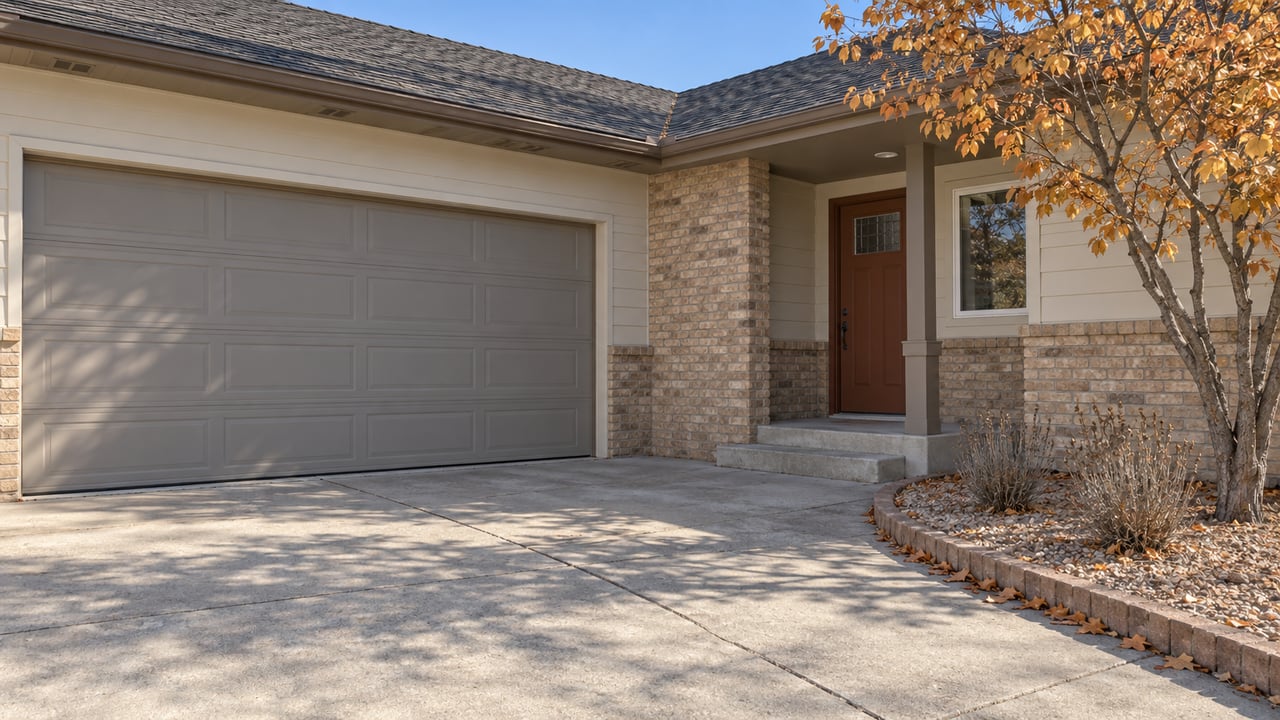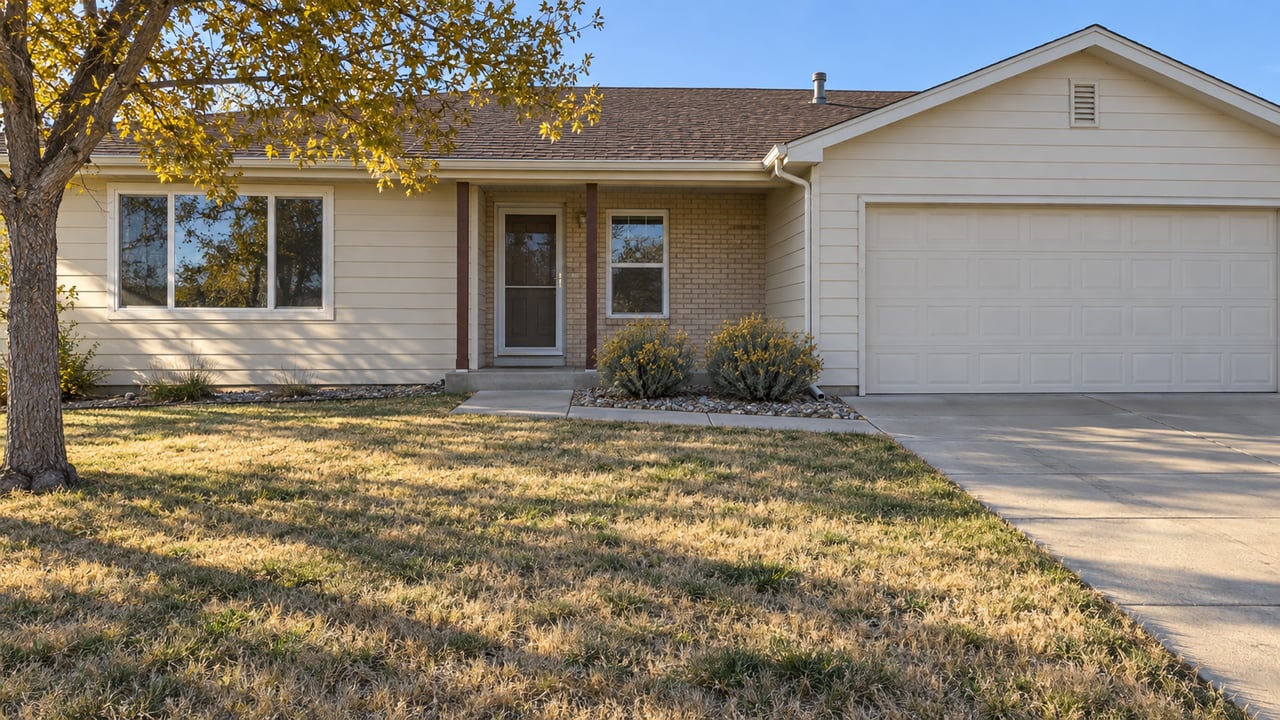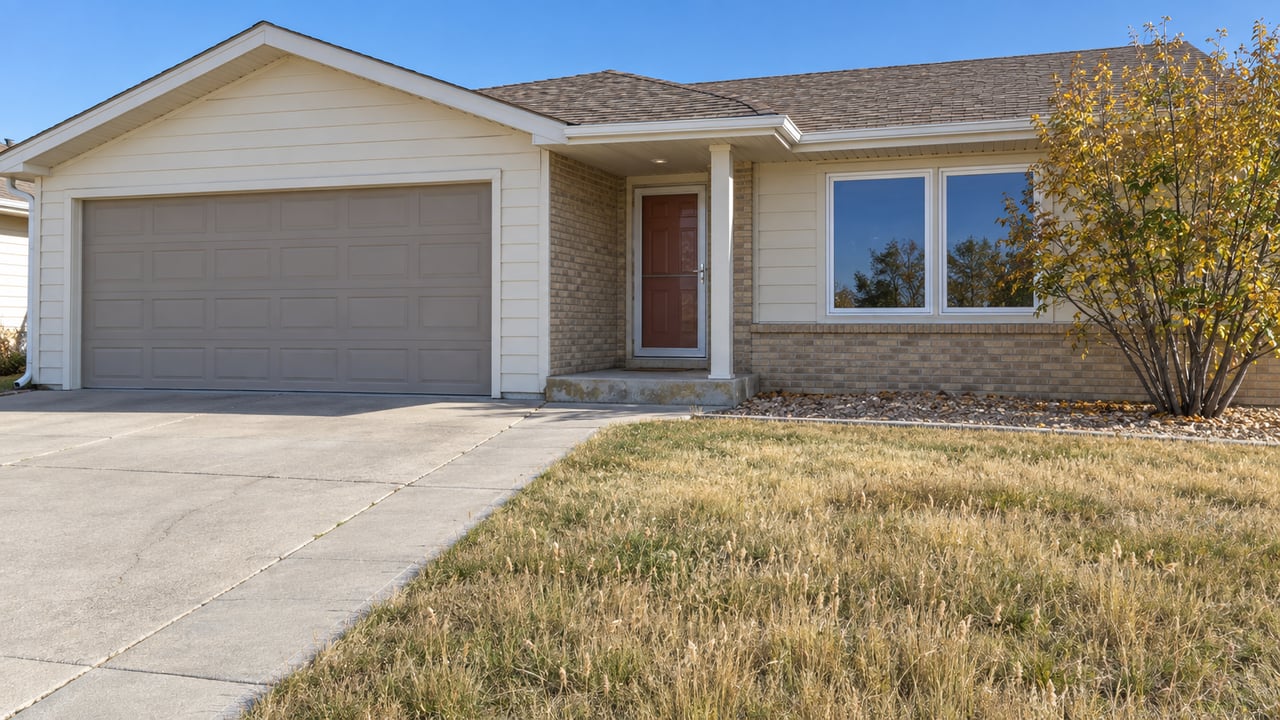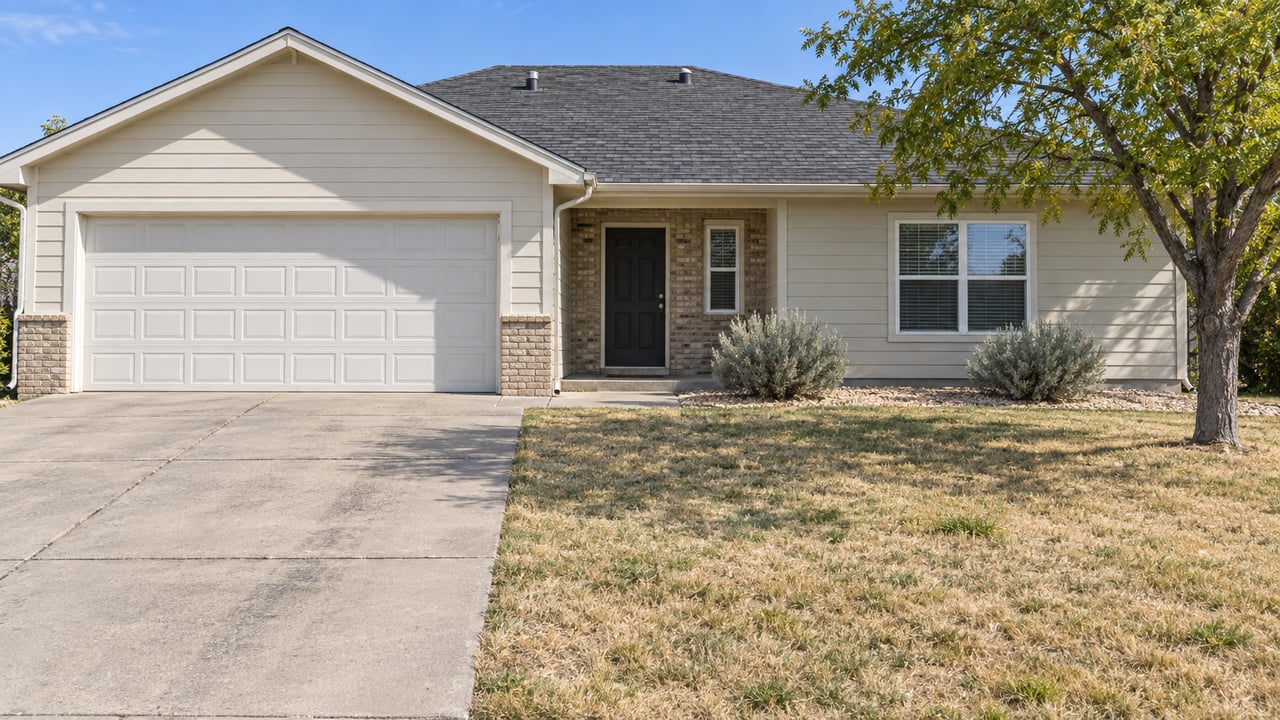
Two inspection reports crossed my desk this year with the identical sentence: "Hairline crack observed at foundation, monitored, no immediate action recommended." One was on a 1968 ranch three blocks off Aspen Avenue. The other was on a home finished eighteen months ago in one of the subdivisions spreading north of town. The buyers on the older home barely blinked. The buyers on the newer one wanted an engineer out before they'd sign anything.
They had it backward, and I understand why. New construction feels like it should come with less risk, not more. But in Fruita, the ground under a house tells you more about what a crack means than the age of the house does.
Three Foundations, One Town
Fruita isn't sitting on one kind of dirt. It's sitting on at least three, and each one behaves differently under a slab.
The established neighborhoods close to downtown, the ones built through the middle of the last century, sit on soil that finished its major movement decades ago. Clay-rich ground in this part of the valley expands when it absorbs moisture and contracts as it dries, and that cycle repeats every year regardless of how old the house is. But a foundation that has already been through fifty or sixty of those cycles has usually found its resting point. A hairline crack in one of these homes is often a record of movement that already happened, not movement still in progress.
The newer subdivisions pushing west and north of town are a different story. Homes here often sit on fill soil, dirt that was moved and reshaped to grade the lot before anyone poured a foundation. Fill soil needs time to compact fully, and if it hasn't finished settling by the time framing goes up, the slab above it can crack or shift as the ground beneath continues to adjust. This isn't a defect unique to any one builder or one street. It's a function of how recently the dirt was disturbed, and a home that closed last year simply hasn't had as many seasons to prove out as one that closed in 1975.
Then there's the third condition, less talked about but just as real for buyers looking at lots near the Colorado National Monument foothills. Properties on sloped terrain here face a drainage question the flat-lot homes downtown don't. Water moving downhill can concentrate against the uphill side of a foundation faster than it would on level ground, which raises the odds of both soil saturation and the kind of hydrostatic pressure that pushes against basement walls.
Why New Doesn't Mean Settled
I bring this up because I've watched the assumption run the other way more than once. A buyer walks a brand new home, sees zero cracks, and treats that as proof the house is structurally ahead of an older one down the street with a documented hairline crack from a decade ago. It's an understandable read. It's also not quite right.
A clean inspection on new construction tells you the house passed inspection on the day it was inspected. It doesn't tell you whether the fill soil underneath has finished settling, because that process can take years, not months. One Grand Junction foundation contractor who works regularly in Fruita's expanding subdivisions puts it plainly on their own site: new construction isn't immune to foundation issues, particularly where homes sit on fill soil that wasn't fully compacted before the build went up. The absence of a crack today doesn't retire the question. It just means the question hasn't been answered yet.
That's not a reason to avoid new construction in Fruita. It's a reason to ask a different question than "are there any cracks," and ask instead what the soil report said before the foundation was poured, and whether the builder graded the lot to move water away from the slab in the first ten feet, which is the standard most engineers look for.
Here's how the three conditions compare when you're actually standing in front of a listing:
| Where the home sits | What's happening underground | What a crack usually signals | The question worth asking |
|---|---|---|---|
| Established neighborhoods near downtown | Soil has completed most of its long-term settling | Often old movement, already stabilized | How long ago was this noted, and has it changed since? |
| Newer subdivisions west and north of town | Fill soil may still be compacting | Could be active, ongoing settlement | What does the soil report say, and how is the lot graded? |
| Hillside lots near the Monument foothills | Slope adds a drainage variable on top of clay expansion | Could point to water concentrating against the foundation | Where does runoff go, and has the crawl space shown moisture? |
What Actually Happens at the Inspection
A standard home inspection in Fruita covers the foundation as part of a broader walk-through of the structure, and current local pricing for that full inspection runs in the low hundreds for smaller homes and condos, based on rates I've seen quoted this year. If the inspector flags something at the foundation, the next step is usually a structural engineer, and current estimates for that follow-up evaluation in Fruita land somewhere in the range of $1,200 to $2,100, depending on the size of the home and whether there's a crawl space to access.
Local inspectors here know to look past the obvious. Fruita has a genuine mix of historic homes and newer builds, and Fancy Fox Property Inspections works in Fruita, Loma, Redlands, and Grand Junction. Apache Home Inspection, a name that comes up often in local buyer conversations, brings a construction background to its inspections, checking everything from roofline to foundation with the kind of eye that catches a stair-step crack in block foundation before it becomes a bigger conversation.
What they're trained to distinguish is exactly the thing a buyer can't always tell on their own: a hairline crack that's cosmetic versus one that's wider than an eighth of an inch, growing, or running horizontally. Horizontal cracks in a basement wall in particular can point to bowing from outside pressure, which is a different and more serious conversation than a vertical settling crack that stopped moving years ago.
For Sellers, the Same Line Reads Differently
If you're preparing to list an older Fruita home and you know about a foundation crack, the instinct to hide it works against you. The better move, and the one that tends to protect your price, is to get ahead of it. A documented repair with an engineer's letter attached does something valuable on paper: it tells a buyer the house already went through its structural test and passed with paperwork to prove it. That reads very differently than a crack disclosed with no history behind it, which invites a buyer to imagine the worst version of the story instead of the actual one.
I've watched this play out with sellers who assumed a past foundation repair would scare buyers off, when in practice the documentation did more to build confidence than a spotless but unexamined foundation would have. If your home sits in one of the established neighborhoods near downtown and has settled into its final shape decades ago, that's worth saying plainly in your disclosures rather than leaving a buyer to guess.
A Few Questions I Hear Often
Does a foundation crack always mean a bad foundation? No. Hairline cracks are common and often cosmetic. What matters more is whether a crack is growing, wider than about an eighth of an inch, or running horizontally rather than vertically. Those patterns are worth a professional look regardless of how old the house is.
Should I be more cautious about a crack in a new Fruita home or an older one? Age alone doesn't answer the question. What matters is documentation and monitoring history. A crack in an older, established-neighborhood home with a clean history of no movement for years is a different situation than any crack in a home still within its first few years on fill soil, simply because the newer home's soil hasn't finished proving itself out yet.
What should I ask about a hillside lot near the Monument? Ask where runoff goes during a heavy rain, whether the crawl space or basement has shown any past moisture, and how the lot was graded relative to the foundation. Slope adds a drainage question that flat-lot homes in town don't carry in the same way.
If you're weighing a purchase or a sale anywhere in Fruita and want a second set of eyes on what a disclosure or inspection report is actually telling you, I'd be glad to walk through it with you. Arianne Nelson Miller has spent years pairing renovation experience with local market knowledge here in the Grand Valley, and a conversation before you write an offer or sign a listing agreement costs you nothing but a little time. Schedule a free consultation and let's look at the specific property together.
This article is general information, not legal, tax or financial advice. Consult a qualified professional about your situation.