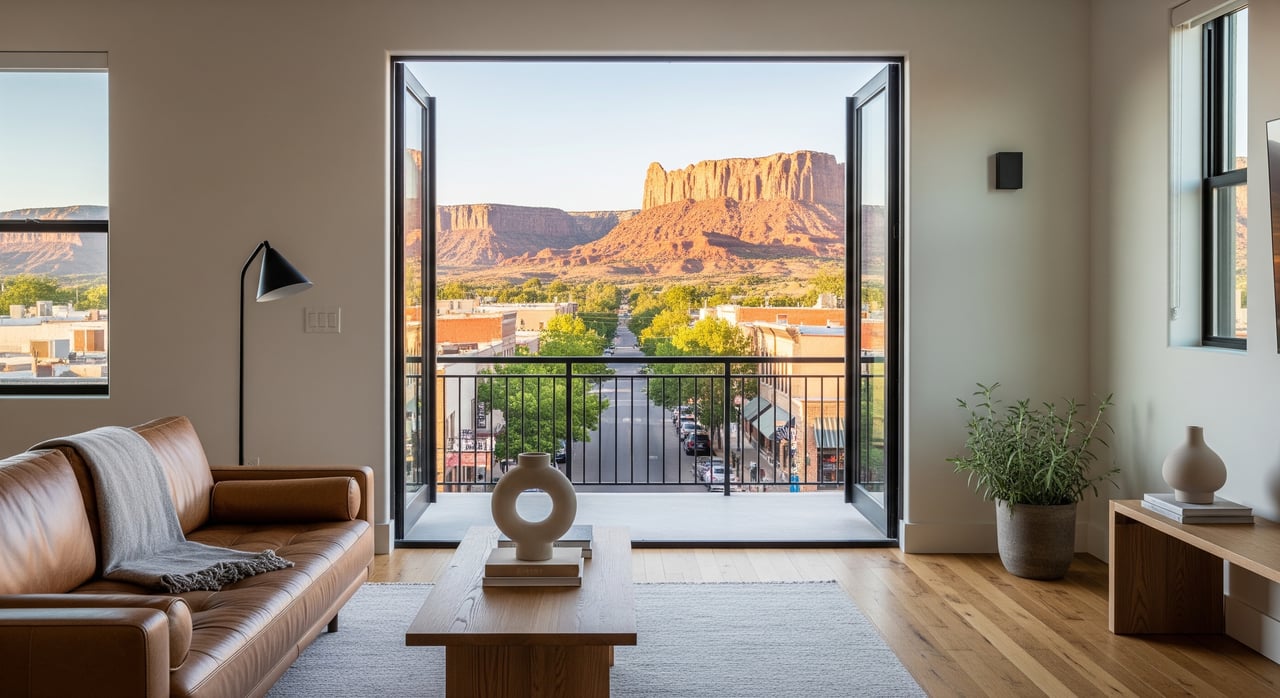
What does a small, lively downtown feel like when the desert sky is this big and the trails are this close? If you’re picturing a walkable main street, friendly storefronts, and evenings that end on a patio after a ride, you’re on the right track. You want to know if day-to-day life in downtown Fruita fits your rhythm, your commute, and your lifestyle. In this guide, you’ll see how the core of Fruita lives, from housing and amenities to trails and practical essentials. Let’s dive in.
Where downtown Fruita fits
Downtown Fruita sits in the Grand Valley on Colorado’s Western Slope, about 10 to 12 miles west of Grand Junction. You have quick access to Interstate 70 and state highways, so commuting and regional trips are simple.
At roughly 4,500 feet in elevation, Fruita has a high-desert feel. Expect lots of sun, hot and dry summers, and cool winters with occasional snow. Spring and fall are prime outdoor seasons.
Downtown is the compact historic core of town. It’s the social hub where you’ll find local dining, shops, and community spaces that reflect Fruita’s outdoor identity.
Walkability and daily errands
If you value getting out on foot, downtown Fruita makes it easy. The streets form a traditional main street pattern with sidewalks, crosswalks, on-street parking, and short blocks. You can walk to coffee, lunch, a brewery or taproom, a bike shop, and local services in minutes.
You’ll find essential lifestyle stops downtown, but some bigger errands may take you a few minutes by car. Full-service grocery options, larger retail, and some medical services are in Fruita’s broader retail areas and in Grand Junction. Many residents keep most daily errands close to home and make occasional trips east for specialty needs.
Public spaces help the area feel welcoming. Small parks, benches, public art, and community boards keep you plugged into what’s happening next.
Dining, coffee, and local services
Downtown’s food and drink scene leans casual and local. You can grab coffee at a cafe, meet friends at a bakery, or settle in for a relaxed dinner. Brewpubs and taprooms offer an easy night out with occasional live music.
You’ll also find bike shops and outdoor retailers ready to tune a ride, set you up with rentals, or point you to the right trail for the day. Boutique shops, salons, and small professional offices round out everyday services.
Evenings tend to be laid back rather than late-night. If you want bigger venues, museums, or large performances, you’ll head to Grand Junction.
Events and community rhythm
Fruita’s calendar reflects its outdoor energy and small-town feel. Expect seasonal farmers markets, bike-related gatherings and rides, concerts, and community parades. These events bring extra buzz to downtown during warmer months and on select weekends.
The key is rhythm. Downtown activity ramps up around event days but stays comfortable and neighborly most of the time. If lively street scenes are important to you, check the latest event calendars before you plan a move so you understand the timing.
Housing types and neighborhood feel
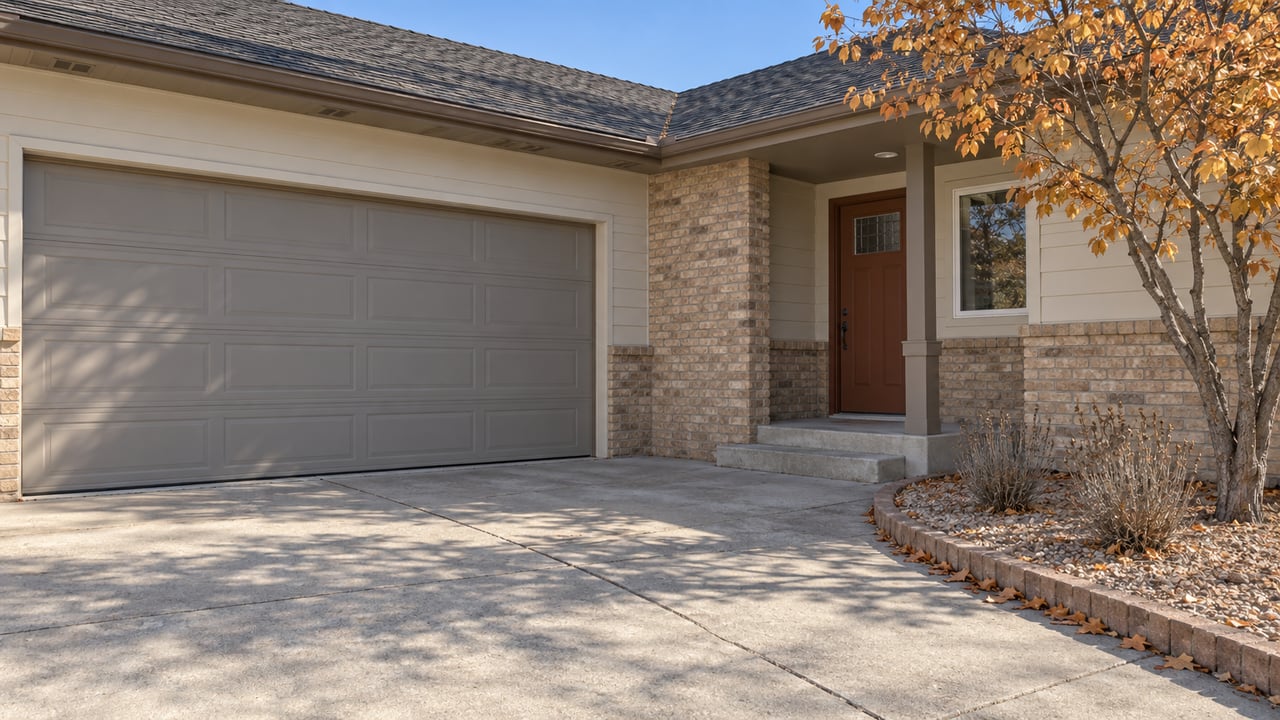
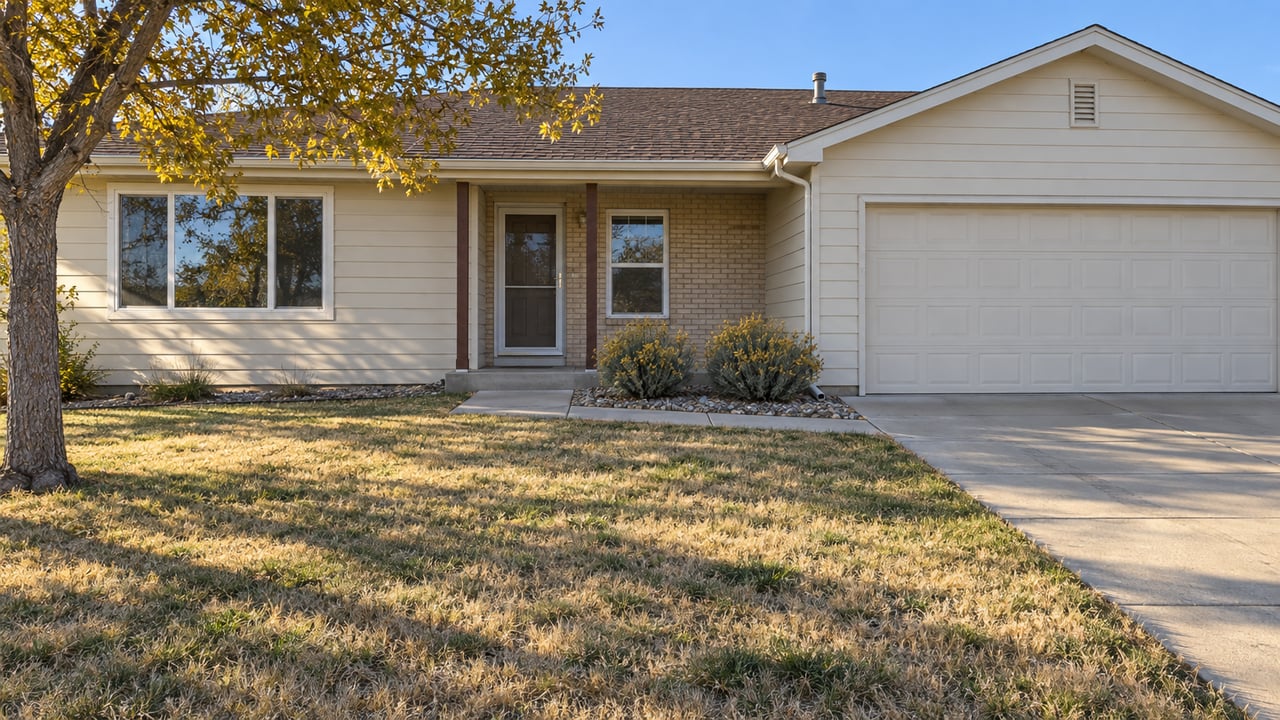
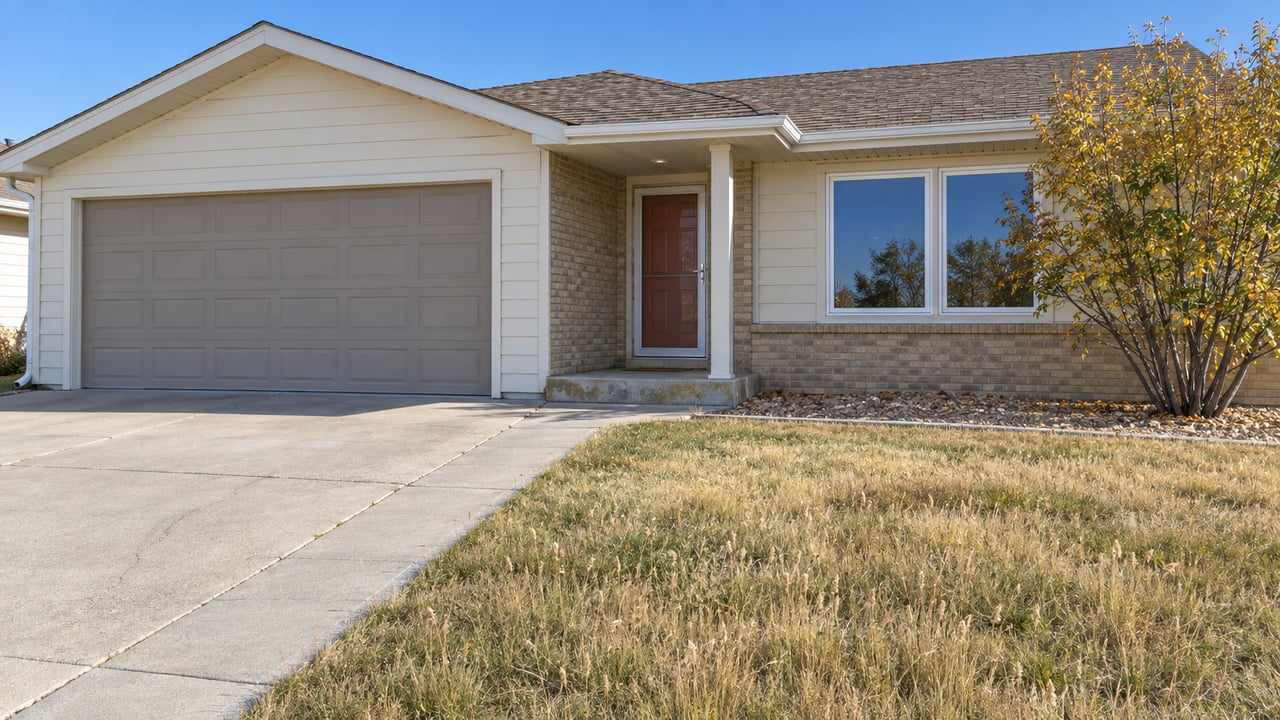
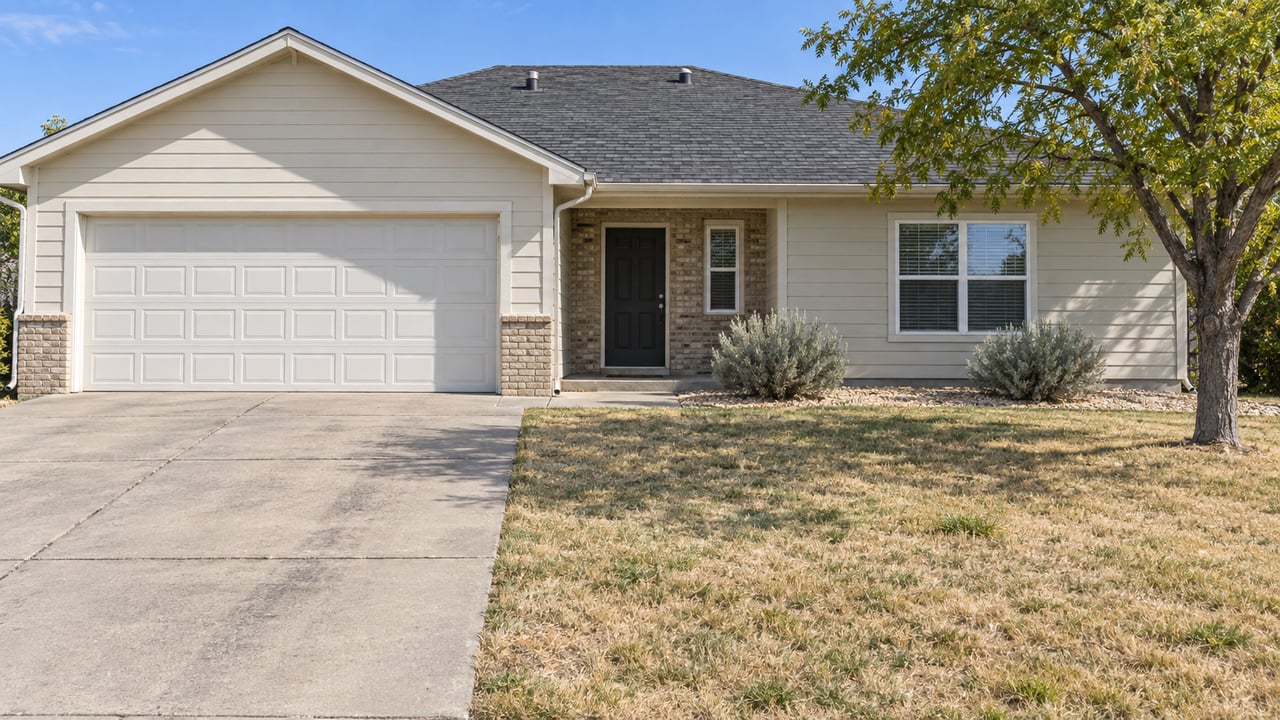
Housing near the core is a mix. You’ll see older historic homes and bungalows on smaller lots, some mid-century properties, and a growing number of infill duplexes, townhomes, and smaller-lot single-family homes. A few historic commercial buildings have been adapted to live-work or retail.
Lot sizes around downtown are smaller than in suburban areas, which supports walkability. As you move away from the core, neighborhoods transition to more suburban or semi-rural patterns.
Streets near main corridors can be busier during events and peak recreation seasons. Residential blocks a few streets off the main routes generally feel quieter. Visit at different times of day to get a true sense of the vibe you prefer.
Market patterns and planning your search
Since 2020, recreation-oriented towns on the Western Slope have seen strong buyer demand. Inventory has tightened at times, and prices have felt that pressure. Fruita has often been more affordable than larger mountain resort markets and has sometimes compared favorably with Grand Junction, though trends shift by season and property type.
If you’re serious about a move, review current MLS snapshots and recent sales for downtown addresses. Look at time on market and inventory by home type, especially if you’re weighing a historic bungalow against a newer townhome. Balance lifestyle must-haves with maintenance and budget.
Outdoor recreation at your doorstep
Fruita is known regionally for mountain biking, and that reputation shows in daily life. Trail systems with a range of difficulties sit minutes from downtown. Local shops make it easy to get started with rentals, gear, and guidance.
Colorado National Monument is nearby, offering scenic drives, overlooks, hiking, and climbing. You can also access Bureau of Land Management open space, desert canyons, and the Colorado River corridor for boating and fishing.
Spring and fall are prime seasons for biking and hiking. Summer heat can push you to early morning or late evening outings, while winters are quieter. For heavy winter sports, you’ll typically drive to higher-elevation destinations elsewhere in Colorado.
Getting around and commute times
Interstate 70 and state highways connect you quickly to Grand Junction and the broader Western Slope. Most commutes to Grand Junction destinations fall under 30 minutes depending on your start and end points.
Regional transit services operate between communities in the valley. If you fly for work or travel, Grand Junction Regional Airport is typically a 10 to 20 minute drive from Fruita, depending on traffic and exact route.
Schools and everyday essentials
Public schools in Fruita are part of Mesa County Valley School District 51. Downtown and nearby neighborhoods are served by elementary and secondary schools, including a high school for the Fruita and Monument area. Check District 51 resources for enrollment, performance, and boundary details for specific addresses.
Primary care and urgent care options are available in Fruita. For hospital-level and specialty care, you’ll go to Grand Junction, which serves as the region’s healthcare hub. Local police and Mesa County agencies provide emergency response.
Utilities are provided by municipal or regional providers. Broadband coverage varies by neighborhood, so confirm availability and speeds at any address you’re considering. Many residents, including remote workers, rely on local ISPs for everyday connectivity.
Who downtown Fruita fits
You might love downtown Fruita if you want a smaller-town feel with quick trail access and a true main street. If you prefer walking to coffee, meeting friends at a taproom, and catching a seasonal market or concert, this core is a strong match.
If you need frequent, big-city amenities, large entertainment venues, or a late-night scene, you’ll still be comfortable here, but you’ll likely make regular trips to Grand Junction.
How to explore like a local
Use this simple checklist to get a clear picture of life in downtown Fruita:
- Visit at different times. Walk the core on a weekday and return on a weekend event day to compare parking, noise, and foot traffic.
- Map your daily routine. Time the walk to coffee, a park, and your favorite dinner spot. Then check driving times to grocery stores and healthcare.
- Research schools. Review District 51 profiles and reach out with specific boundary questions if schools are part of your decision.
- Test your tech. Confirm broadband providers and speeds for any address you are evaluating.
- Study recent sales. Compare maintenance needs and pricing patterns between historic homes and newer infill options.
- Watch the calendar. Look over city and chamber events to understand the annual rhythm of festivals and markets.
- Check planning and zoning. Review City of Fruita maps for permitted uses and any planned developments that could affect future activity.
Your next step
Downtown Fruita offers an easygoing, outdoor-centered lifestyle with a real sense of place. You get walkable blocks, local flavor, and fast access to trails and public lands, all within a short drive of Grand Junction’s broader services. If that balance sounds like home, it’s worth a closer look.
If you want a guided tour of neighborhoods, home types, and lifestyle fits across Fruita and the Grand Valley, reach out. With design-forward insights and local expertise, we’ll help you weigh tradeoffs and move with confidence. Start the conversation with Arianne Nelson Miller - Main Site.
FAQs
Is downtown Fruita walkable for daily errands?
- Yes. Downtown’s compact core lets you walk to cafes, restaurants, shops, and small parks. For big-box retail or specialty medical care, plan short drives in Fruita or to Grand Junction.
How close are trails and outdoor access from downtown Fruita homes?
- Trail systems are minutes from downtown by car, with options for paved paths in town and singletrack nearby. If true door-to-trail access matters, visit specific trailheads and map your routes.
What housing types will I find near downtown Fruita?
- You’ll see historic homes and bungalows, some mid-century properties, and newer infill like duplexes and townhomes. Lots are generally smaller than in suburban areas.
How does living in Fruita compare with Grand Junction?
- Fruita offers a smaller-town, recreation-forward feel with a compact downtown. Grand Junction provides broader healthcare, retail, and cultural venues. Many residents comfortably commute between the two.
What is the nightlife like in downtown Fruita?
- Evenings are relaxed, centered on restaurants, taprooms, and occasional live music. For larger venues or late-night options, you’ll head to Grand Junction.
Which schools serve downtown Fruita addresses?
- Downtown addresses fall within Mesa County Valley School District 51. Check district resources for current school boundaries, enrollment details, and performance profiles.
Are there seasonal considerations I should know about?
- Spring and fall are peak for biking and hiking. Summer heat encourages early or late outings, and winters are quieter with occasional snow. Heavy winter sports are typically at higher elevations outside the valley.