Buying your first home in Fruita can feel exciting and a little overwhelming. You want a clear plan, real numbers, and local guidance you can trust. In this guide, you’ll learn what homes typically cost, how to use Colorado programs for down payment help, the key Colorado contract steps, and the inspections that matter most here in Mesa County. Let’s dive in.
Fruita market at a glance
Fruita is a small, active market within the Grand Valley. Recent data snapshots show median sale or list prices often in the range of about $470,000 to $510,000. Small markets can swing month to month, so use this as a reference point and check fresh listings as you shop.
Well-priced homes can move fast, yet many listings still spend several weeks on market. Expect tighter inventory than in larger Colorado metros, with the best values getting quick attention.
Why buyers choose Fruita: you get small-town feel, quick access to trails and the Colorado National Monument, and an easy commute into Grand Junction. If you’re new to the area, the city’s overview for newcomers is a helpful start on lifestyle and services in town. Explore the city’s relocation guide at the Fruita visitor site for neighborhood and amenity context.
What you can buy in Fruita
- Entry options: Manufactured or mobile homes and some smaller older houses sometimes list between roughly $200,000 and $300,000. Manufactured homes involve added checks, including HUD tags, title documentation, and financing requirements that differ from site-built homes.
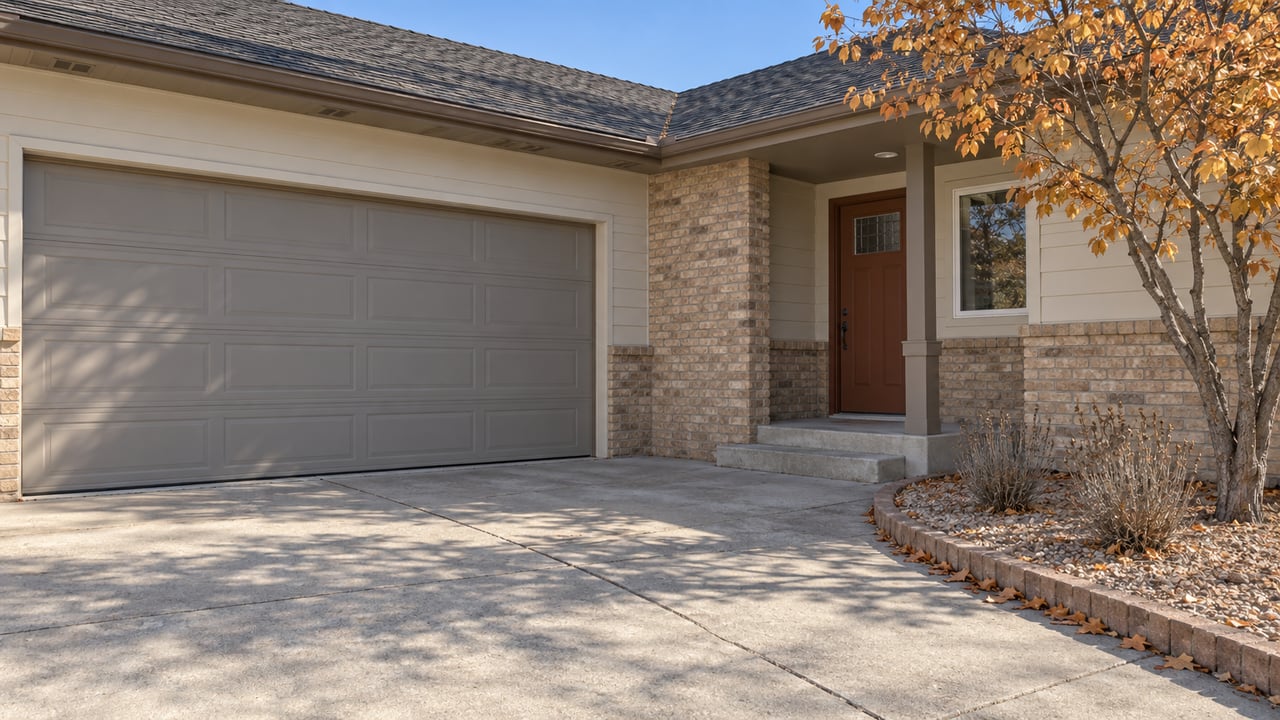
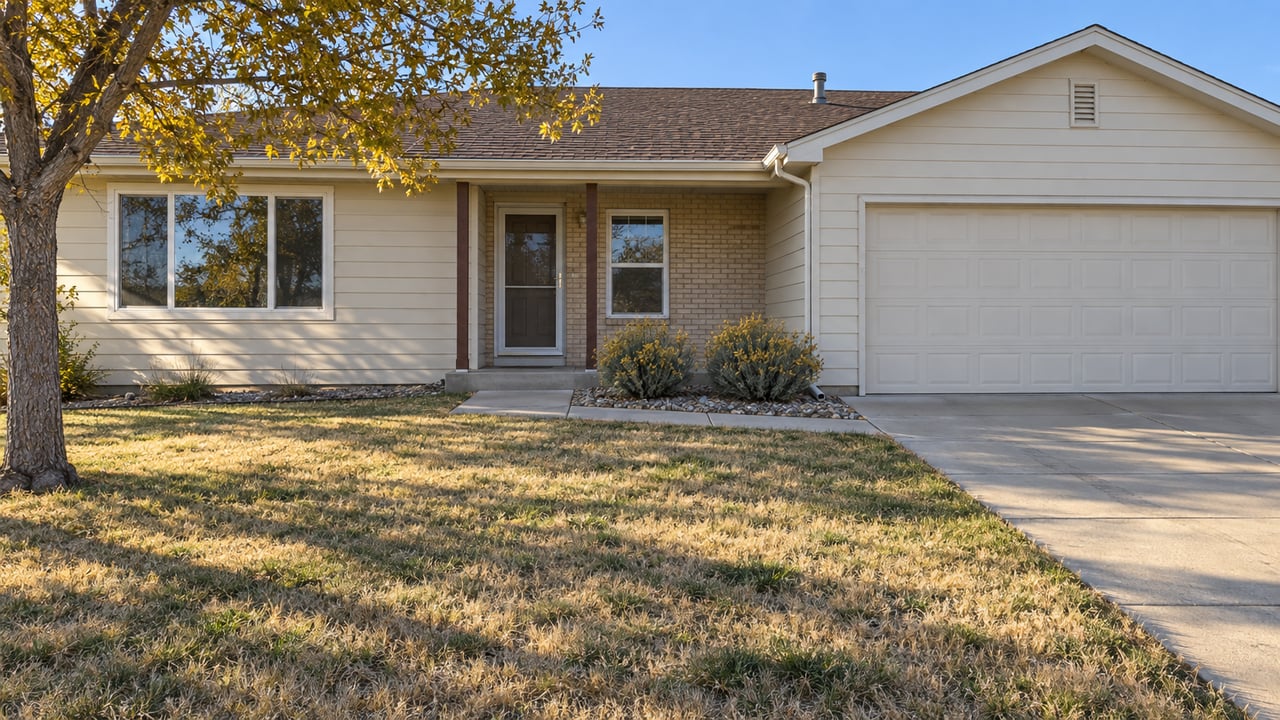
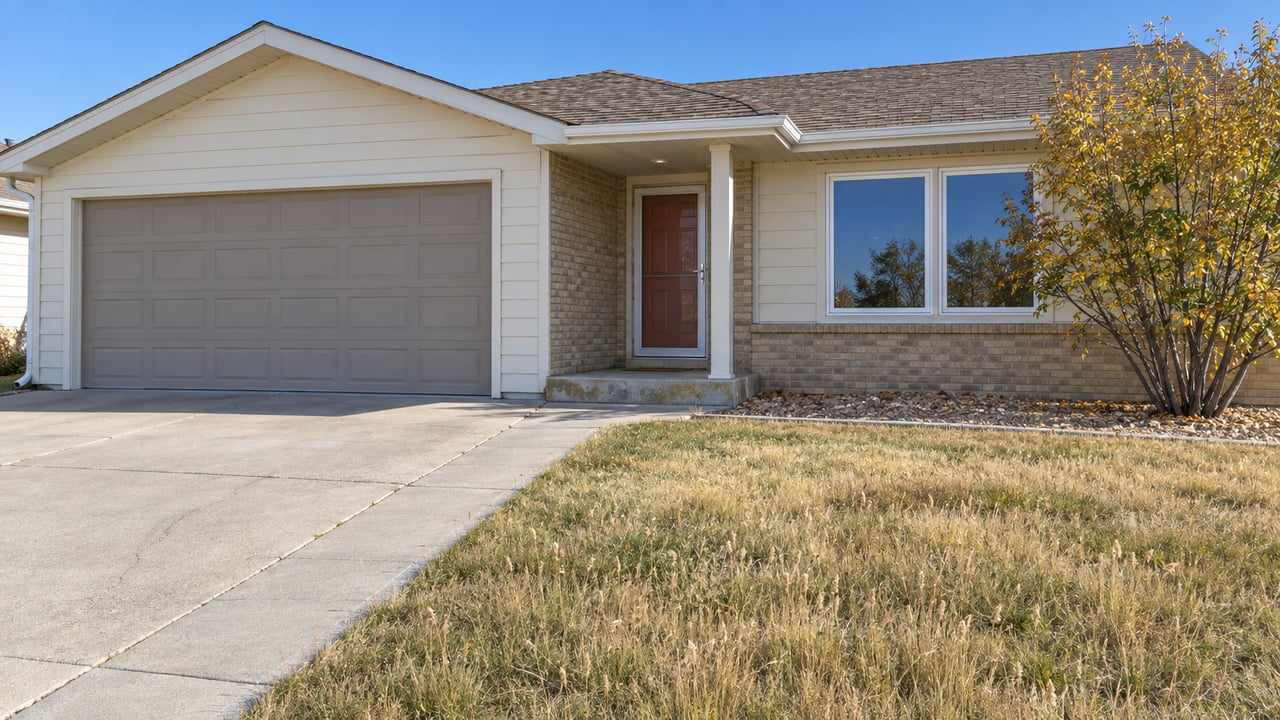
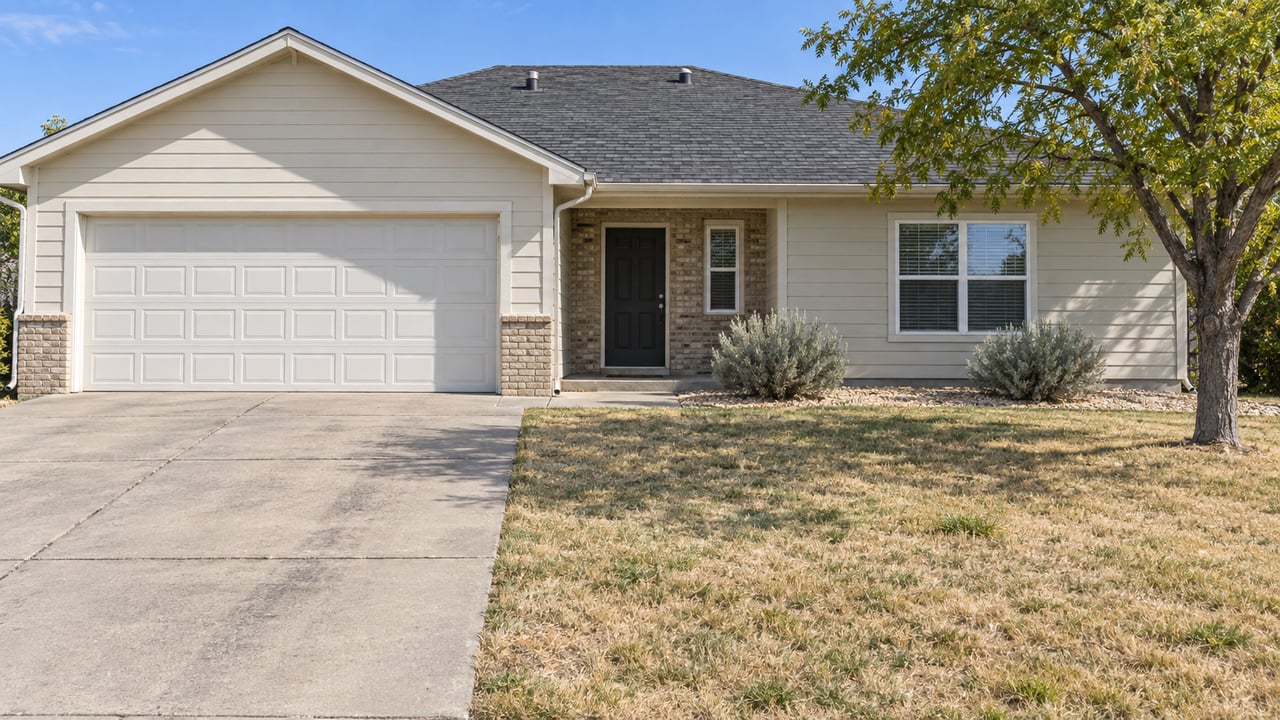
- Mainstream single-family: Many three-bedroom homes fall in the $400,000 to $600,000 range, with mid-$400,000s common for move-in-ready properties depending on age, size, finishes, and location.
- Higher tiers: Newer builds, acreage, or custom finishes can push above $600,000, and prices can vary across the broader Grand Valley.
Neighborhood patterns to know:
- Downtown/Circle Park core: A small historic center with walkable shops and restaurants.
- Suburban edges: Newer subdivisions and infill neighborhoods deliver most single-family listings.
- Manufactured-home communities: A lower-cost path to ownership with different financing and title steps. If this is on your radar, plan extra due diligence.
Financing your first Fruita home
Start by interviewing at least two or three local lenders. Ask about rate options, fees, closing timelines, and whether they work with Colorado Housing and Finance Authority (CHFA) down payment assistance.
Common loan paths here include Conventional, FHA (often 3.5 percent down), VA for eligible veterans (often 0 percent down), and USDA Rural Development loans for qualifying properties and incomes. If you think a rural-designated area might fit your search, confirm eligibility early using the USDA property tool.
Colorado down payment help: CHFA first-mortgage programs can be paired with down payment assistance as a grant or a deferred second mortgage for qualifying buyers. You must use a participating lender, and many options require CHFA-approved homebuyer education. Check the CHFA participating-lenders directory to start the conversation.
Local lender examples in the Grand Valley include Alpine Bank, Coloramo Federal Credit Union, Guild Mortgage, Major Mortgage, and Fidelity Mortgage. You can connect with a Fruita branch at Alpine Bank’s local page to get a sense of timelines and documentation.
The buying process in Colorado
Step 0: Prepare and get pre-approved
Gather two years of W-2s, recent pay stubs, bank statements, photo ID, and your Social Security number for pre-approval. A strong, up-to-date pre-approval helps your offer stand out and keeps the purchase on track through appraisal and underwriting. For an overview of the closing stages and typical timing, see this national explainer on the closing process.
Step 1: Shop and write a smart offer
Work with a local agent who knows the Grand Valley MLS and Fruita-specific inventory. Your offer will typically include price, an earnest money deposit (often 1 to 3 percent of the price, based on local custom and negotiation), preferred closing and possession dates, contingencies, and any seller concessions. Local norms can influence who pays for certain title or closing items, so clarify these in writing from the start.
Step 2: Inspections and disclosures
Colorado sellers usually complete a Seller’s Property Disclosure, and they must disclose known material defects. Still, disclosure is not a substitute for inspections. Learn more about Colorado disclosure basics from a legal resource overview.
Inspection priorities for Fruita first-time buyers:
- General home inspection with a full report
- Radon test, since Colorado has high radon prevalence. Testing is inexpensive and mitigation is effective when needed. Review guidance from the Colorado Department of Public Health and Environment
- Sewer scope on older homes
- Well water testing and septic inspection for rural properties
- Pest inspection if age or conditions suggest risk
- Manufactured-home documentation check (HUD tags, title, foundation certifications) if applicable
Colorado contracts include specific objection and resolution deadlines for inspections and other contingencies. You must act within those dates to preserve your rights. A local agent can walk you through the forms and timeline. For a practitioner’s look at Colorado contract timing, review this resource on key dates and deadlines.
Step 3: Appraisal, underwriting, and clear to close
If you are financing, your lender orders an appraisal. If the appraised value comes in low, your agent will help you explore options, which may include renegotiation or additional funds. Title work and underwriting run in parallel. A typical financed purchase closes in about 30 to 45 days when files are complete. See a step-by-step closing overview and timing here.
Step 4: Closing costs and cash to close
Buyer closing costs in Colorado often run roughly 2 to 5 percent of the purchase price. This varies based on loan type, lender fees, title premiums, prepaid taxes and insurance, and local recording costs. Your lender must provide a Loan Estimate early and a Closing Disclosure at least three business days before closing. For a Colorado-focused cost overview, review this closing cost guide.
Recurring costs and local checks
- Property taxes: Mesa County’s effective property tax rates are typically lower than the national average, with many parcels estimating around 0.5 to 0.6 percent of value. Always verify the parcel’s current assessment and mill levies through the Mesa County Assessor lookup.
- Homeowner’s insurance: Ask your agent and insurer about any property-specific considerations, such as flood or wildfire endorsements if risk factors apply.
- Environmental due diligence: Radon testing is strongly recommended. If energy or mineral activity is near the property, review title documents and county records for easements or lease exceptions during your diligence period.
First-time buyer checklist for Fruita
- Get pre-approved with 2 to 3 lenders and compare fees and timelines.
- Ask lenders about CHFA down payment assistance and required education.
- Confirm USDA eligibility if you are looking in areas that may qualify.
- Set a target price range and monthly budget before touring.
- Review the Seller’s Property Disclosure as soon as available.
- Schedule a general inspection and add a radon test.
- Order a sewer scope on older homes; test well water and inspect septic systems for rural properties.
- Review HOA documents and fees if buying in an HOA or condo community.
- Read the title commitment for easements, mineral rights, and encumbrances.
- Track all contract deadlines for inspection, appraisal, and loan approval.
Smart budgeting without guesswork
A simple way to frame your numbers:
- Target purchase price range based on pre-approval and comfort level.
- Down payment amount based on your loan type and any CHFA assistance.
- Estimated closing costs at 2 to 5 percent of price (confirm with your lender).
- Monthly payment including principal, interest, taxes, and insurance. Your lender will model this for each home you consider.
- Add a small reserve for immediate needs after closing, such as radon mitigation if required or minor fixes from inspection.
If you are shopping in the $400,000 to $600,000 band, your cash-to-close will depend on down payment and whether you receive a grant or deferred second through CHFA. Ask your lender to run side-by-side comparisons with and without assistance so you can see both the upfront and monthly tradeoffs.
Timeline and what to expect
With an accepted offer and a complete loan file, plan for about 30 to 45 days to close. Your search time can vary with inventory. In Fruita’s small but active market, well-priced homes can draw quick interest, while other listings may sit for several weeks. Stay pre-approved, be ready to tour fast, and use clean, timely offers to keep your edge.
Buying your first home is a big milestone. With a clear plan, local inspection focus, and the right financing, you can move from browsing to keys in hand with confidence. If you want a calm, hospitality-first guide who knows Fruita and the broader Grand Valley, let’s talk about your timeline and goals. Schedule a Free Consultation with Arianne at the link below.
Ready to start? Connect with Arianne’s team: Arianne Nelson Miller - Main Site.
FAQs
How much do first homes in Fruita typically cost?
- Recent snapshots show many first-time buyers targeting $400,000 to $600,000 for single-family homes, with a wider market median around $470,000 to $510,000 depending on the data set and date.
What down payment help is available in Colorado for first-time buyers?
- CHFA offers first mortgages paired with down payment assistance as a grant or deferred second; you must use a participating lender and complete required education.
Do I need a radon test when buying in Fruita?
- Yes, Colorado has high radon prevalence, so add a radon test to your inspection and plan for mitigation if levels exceed the EPA action level.
How long does it take to close on a home in Fruita?
- A typical financed purchase closes in about 30 to 45 days when documents are complete, with appraisal, underwriting, and title work on track.
How much should I budget for closing costs in Colorado?
- Buyers often see closing costs around 2 to 5 percent of the purchase price, plus prepaid taxes and insurance; your lender’s Loan Estimate will outline your specifics.
Are manufactured homes a realistic first-time option in Fruita?
- They can be, often at lower prices, but expect added steps for financing and documentation, including HUD tags, title checks, and foundation verification.
[Sources and helpful links]
- Fruita relocation overview: https://fruita.com/relocating-to-fruita/
- CHFA participating lenders: https://www.chfainfo.com/single-family-participating-lenders
- USDA eligibility tool: https://www.rd.usda.gov/highlight/usda-income-and-property-eligibility-tool
- Alpine Bank Fruita: https://es.alpinebank.com/locations/fruita.html
- Colorado seller disclosure overview: https://jbakerlawgroup.com/understanding-seller-disclosure-requirements-in-colorado/
- Radon testing and mitigation: https://cdphe.colorado.gov/index.php/hm/testing-your-home-radon
- Colorado contract timelines resource: https://frascona.com/jon-goodmans-webcast/
- Closing process and timing: https://www.rocketmortgage.com/learn/closing-on-a-house
- Colorado closing cost guide: https://www.sold.com/real-estate-tips-advice/how-much-are-closing-costs-in-colorado
- Mesa County Assessor lookup: https://emap.mesacounty.us/Assessor_Lookup