If you have started looking at homes in Fruita, you have probably noticed something right away: the city does not feel like one single housing style. Some areas have an older in-town pattern near downtown, some feel more like newer subdivision neighborhoods, and others offer larger lots with a more rural edge. Understanding those differences can help you narrow your search faster and focus on the kind of home and setting that actually fits your goals. Let’s dive in.
How Fruita’s Housing Mix Is Shaped
Fruita’s residential pattern is best understood as a group of different character areas rather than one uniform neighborhood style. The city describes Fruita as an inclusive small-town community with a vibrant downtown, and its planning documents note that neighborhoods around downtown include a variety of housing sizes, types, and styles.
At the same time, Fruita is still mostly a single-family market. According to the city’s housing needs assessment, 80.0% of occupied homes are detached single-family houses, while 4.9% are attached single-family homes, 9.3% are multifamily, and 5.8% are mobile homes or other types.
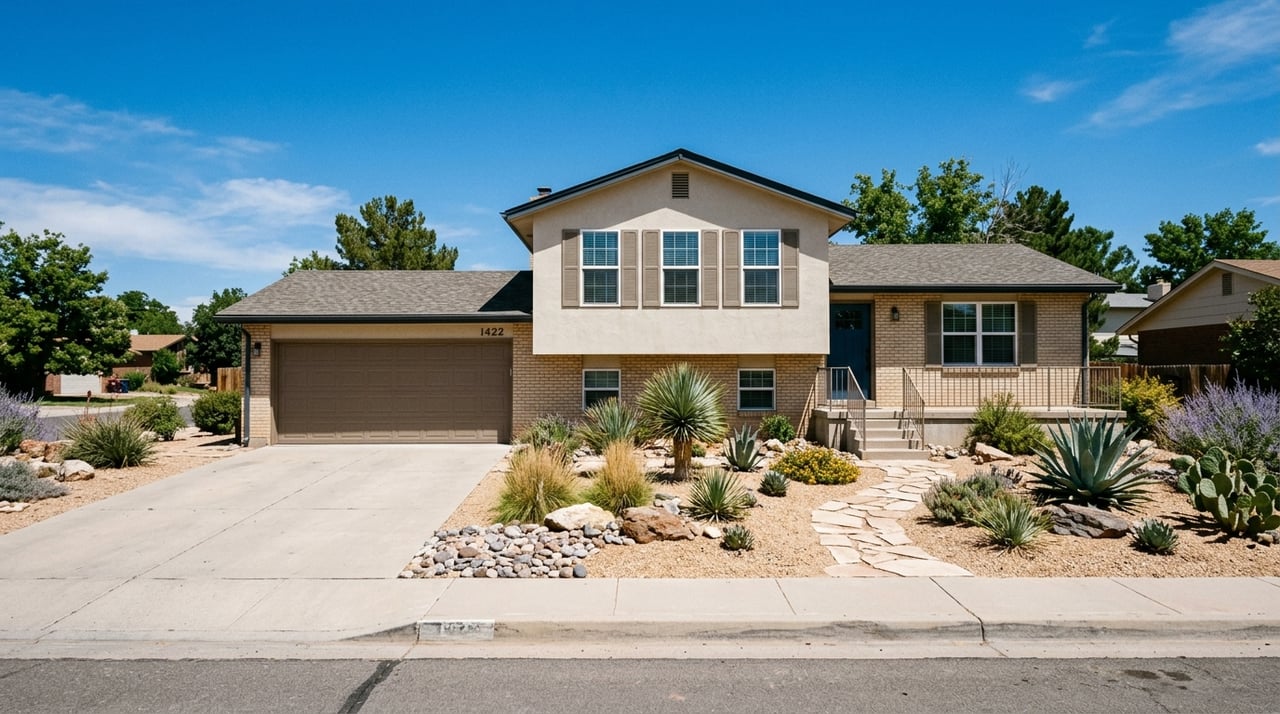
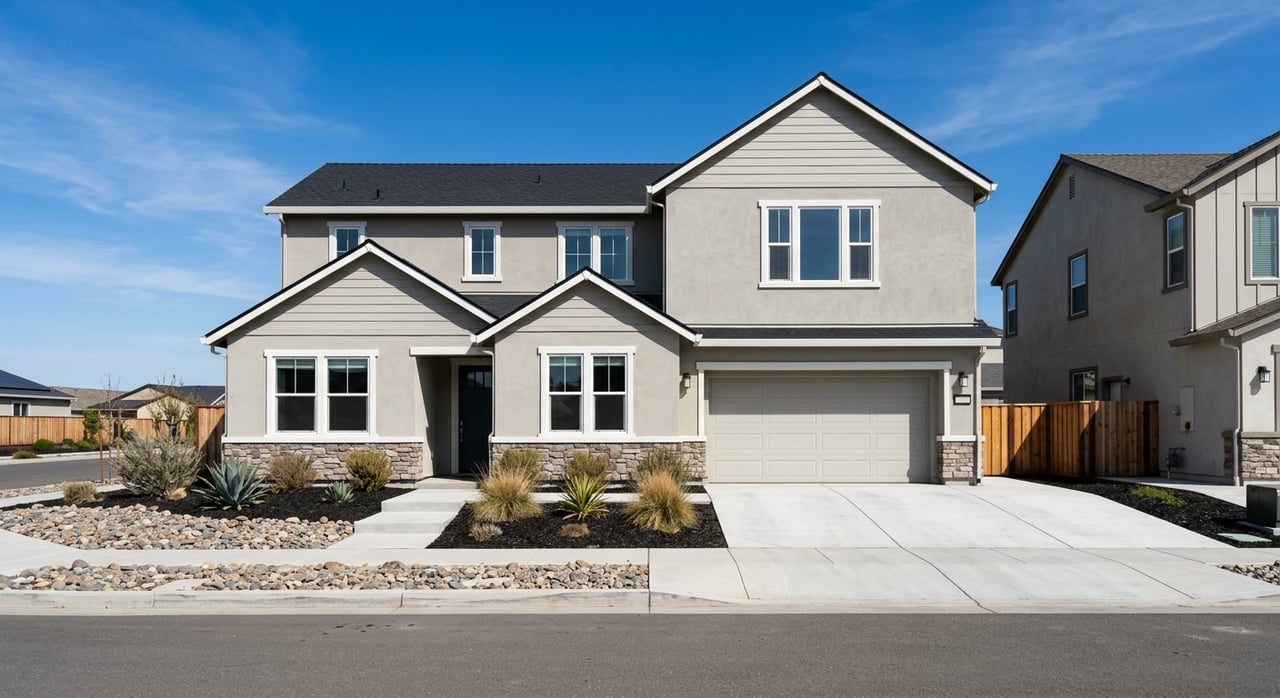
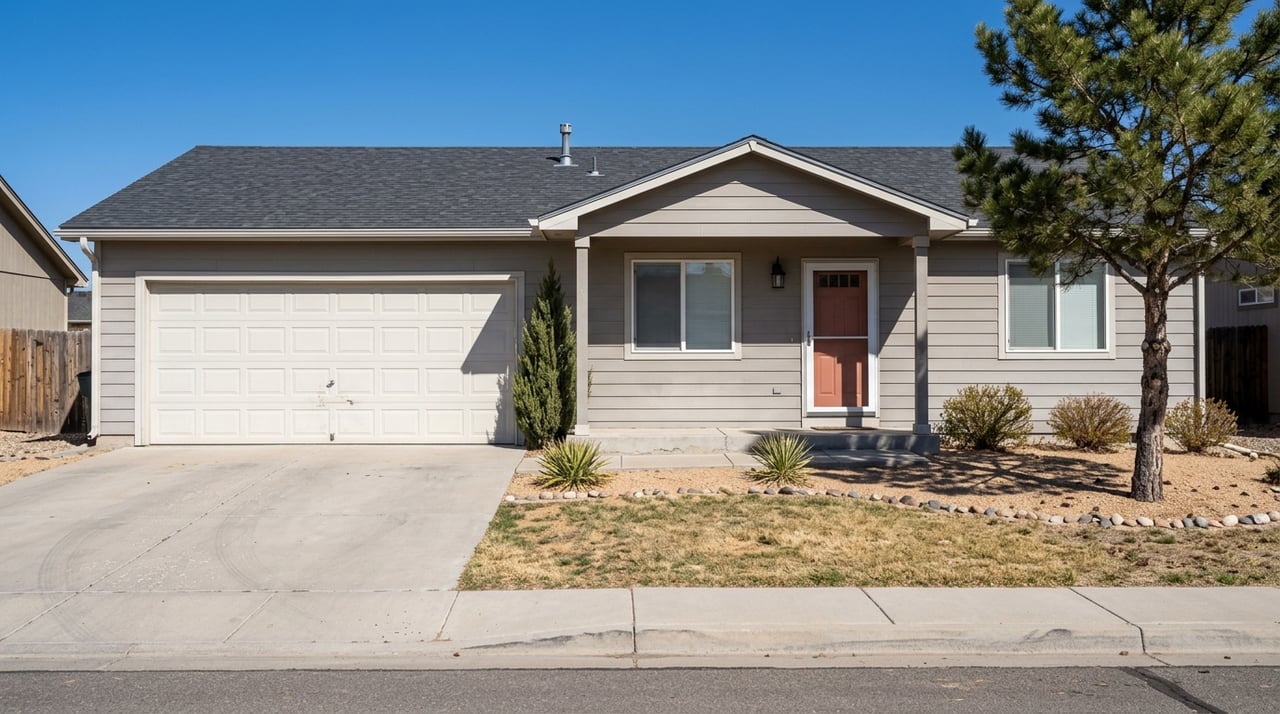
That matters if you are trying to picture what your options may look like. In broad terms, Fruita tends to break into three practical categories: the historic in-town core, moderate-density subdivision-style neighborhoods, and larger-lot or rural-edge areas.
Historic Core Homes in Fruita
If you want the most town-centered feel, the historic in-town area is the clearest place to start. Fruita’s design standards describe the original town plat as a traditional neighborhood pattern with historic and contemporary homes, front porches, small and large lots, some alley access, and street tree planter strips.
This part of Fruita often has the strongest sense of an established street pattern. The city also notes that these neighborhoods are often within walking distance of open spaces, schools, churches, and other community services, which helps explain why this area feels more connected and pedestrian-friendly than more spread-out parts of town.
From a home-style perspective, this is where you are more likely to find a mix rather than one repeated product type. You may see older-feeling blocks, varied lot sizes, and homes that reflect both historic and newer infill patterns.
What the Downtown Area Adds
Downtown Fruita is treated as a pedestrian-oriented commercial and residential district. In the Downtown Mixed Use zone, the city encourages a mix of commercial space on the ground floor with residential space above, and outside the core downtown area, the district still supports residential density along with duplexes and townhouses.
For you as a buyer, that means downtown-adjacent blocks may offer some of Fruita’s clearest attached-housing and smaller-lot opportunities. If you are hoping for lower-maintenance living, a more compact homesite, or quicker access to downtown businesses and services, this area may deserve a closer look.
Who This Area May Suit
The historic core and downtown-adjacent areas can be a strong match if you value:
- A more traditional street layout
- Closer access to downtown amenities
- A mix of older and newer homes
- Smaller lots or attached-home options in some locations
- A more walkable, town-centered setting
Subdivision-Style Neighborhoods in Fruita
Outside the historic town plat, many of Fruita’s residential areas feel more like classic subdivision neighborhoods. Even so, the city’s design standards aim to shape these areas in a more connected way, with support for walking, biking, alleys, and shared driveways where practical.
This helps explain why newer parts of Fruita are not simply defined by cul-de-sacs or one repeating neighborhood formula. The city’s land use approach tries to balance growth with neighborhood connectivity and a more compact development pattern.
Community Residential Areas
One of Fruita’s key moderate-density districts is Community Residential, or CR. The city says this zone is intended for detached single-family neighborhoods while also allowing attached housing types such as apartments and townhouses, generally at around 4 to 8 dwelling units per acre.
That makes CR areas some of the most flexible parts of Fruita’s housing landscape. In practical terms, you may see a blend of detached homes with some attached options nearby, which can create more variety in price point, lot size, and maintenance level.
South Fruita Residential Areas
Another district that shapes the local housing picture is South Fruita Residential, or SFR. This zone is intended for low- to moderate-density housing that is compatible with existing lower-density development and the surrounding Colorado National Monument and Colorado River setting, generally at around 2 to 5 dwelling units per acre.
If you are looking for a neighborhood that feels residential without being as compact as downtown-adjacent housing, this type of area may be appealing. It can offer a middle ground between walkable in-town living and very low-density rural-edge property.
What Newer Fruita Housing Looks Like
Recent permit activity shows that new construction in Fruita is still led by single-family homes, but the city’s housing needs assessment also lists permits for duplexes, townhouses, accessory dwelling units, mobile homes, modular homes, multiple dwellings, and quadplexes.
That tells you something important about where the market is heading. Detached homes still lead the local housing stock, but buyers should not assume that Fruita only offers one housing type, especially in areas planned for moderate-density growth.
Larger-Lot and Rural-Edge Homes
If your priority is more land, more separation, or a less urban feel, Fruita also has areas that better fit that lifestyle. The city’s zoning identifies lower-density districts that support larger lots and a quieter edge-of-town character.
Large Lot Residential, or LLR, is intended for development at about 2 to 3 dwelling units per acre with minimum lot sizes of 10,000 square feet. Rural Estate, or RE, is even lower density, generally around 1 unit per 3 acres, and functions as a transition between open or resource lands and the city.
In RE areas, cluster development is not encouraged, and city sewer is not typically provided. For buyers, that can mean a different ownership experience than an in-town property, with more attention needed for lot size, utilities, and the general setup of the property.
What This Style Often Offers
Larger-lot and rural-edge housing may appeal to you if you want:
- More outdoor space
- Greater separation between homes
- A less urban setting
- A property with a semi-rural feel
- Room that may be harder to find in more compact neighborhoods
The city’s housing survey also suggests there is a meaningful rural segment in Fruita, with 7.3% of respondents saying they live in a home situated on a farm or ranch. While that is not the dominant housing type, it shows that this part of Fruita’s identity is real and still relevant for buyers.
Which Home Type Is Most Common in Fruita?
Detached single-family homes are by far the most common housing type in Fruita. They make up 80.0% of occupied units, which means the city still reads primarily as a single-family market rather than a dense multifamily one.
Fruita is also strongly owner-occupied. The city’s housing needs assessment found that 80.5% of occupied units are owner-occupied, which reinforces the feel of stable residential neighborhoods across much of the city.
The housing stock also leans relatively newer. According to the city, 78.9% of Fruita’s housing was built after 1980, and 35.0% was built between 2000 and 2009.
Where Future Housing Growth May Show Up
If you are trying to think ahead, it helps to know where the city expects capacity for more homes. Fruita’s land-capacity work estimated about 427 potential units in Community Residential areas, 59 in South Fruita Residential, and 31 in Downtown Mixed Use, with much smaller totals in Rural Estate and Large Lot Residential.
That suggests a clear pattern. Fruita’s next wave of housing is more likely to show up in moderate-density and downtown-adjacent areas than in the larger-lot edge districts.
For buyers, that can be useful when comparing homes not just by what Fruita looks like today, but by how different parts of the city may continue to grow. For sellers, it can also help frame how your home fits into the city’s broader housing mix.
How to Narrow Your Search in Fruita
If Fruita feels broad at first glance, a simple framework can help. Start by deciding whether you want a walkable in-town setting, a neighborhood-style subdivision environment, or a larger-lot property with a more rural edge.
Then think about what matters most in your daily life. That could be lot size, home maintenance, proximity to downtown, attached versus detached housing, or whether you want a newer neighborhood feel versus a more established street pattern.
In Fruita, the best fit usually comes from matching your lifestyle to the city’s housing character areas, not just filtering by price and bedroom count. That extra step can save you time and make your home search feel much more focused.
If you want help sorting through Fruita’s neighborhood styles and finding the right home type for your goals, Arianne Nelson Miller - Main Site offers thoughtful, local guidance across Fruita and the Grand Valley.
FAQs
What home type is most common in Fruita, Colorado?
- Detached single-family homes are the most common, making up 80.0% of occupied housing units in Fruita.
Where are the most walkable homes in Fruita likely to be?
- The historic town plat and downtown-adjacent areas are the strongest match for a more walkable, town-centered setting based on the city’s design and zoning documents.
Are townhomes and duplexes available in Fruita?
- Yes. Fruita’s zoning allows attached housing in some districts, and recent permits included duplexes, townhouses, and other attached or higher-density housing types.
Where should you look for larger lots in Fruita?
- Large Lot Residential and Rural Estate areas are the clearest matches if you want more land, lower density, and a more rural-edge feel.
Is most of Fruita’s housing newer or older?
- Much of Fruita’s housing is relatively newer, with 78.9% of the housing stock built after 1980 according to the city’s housing needs assessment.
Where is future housing growth most likely in Fruita?
- Based on the city’s land-capacity work, future housing growth is most likely in Community Residential areas, followed by South Fruita Residential and Downtown Mixed Use areas.